What if your car is wasting fuel for reasons that have nothing to do with its engine?
Improving gas mileage doesn’t always require aftermarket parts, expensive tune-ups, or mechanical upgrades. In many cases, the biggest gains come from how you drive, maintain, load, and use the vehicle you already own.
This guide focuses on practical, no-modification ways to reduce fuel consumption without sacrificing safety or comfort. From smarter acceleration to tire pressure, route planning, and idle habits, small changes can add up quickly at the pump.
What Actually Affects Gas Mileage Without Vehicle Modifications
Gas mileage is mostly shaped by driving behavior, vehicle condition, load, route choice, and fuel quality-not expensive upgrades. In real-world driving, the biggest difference often comes from small habits, such as accelerating gently, keeping highway speeds steady, and avoiding unnecessary idling in school pickup lines, drive-thrus, or delivery stops.
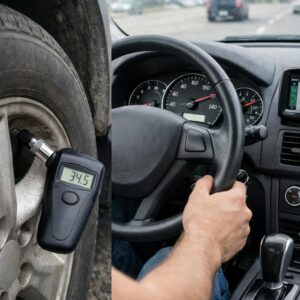
Tire pressure is one of the easiest things to overlook because the car may feel normal even when the tires are underinflated. A simple digital tire pressure gauge, or an app-connected tool like FIXD with an OBD2 scanner, can help you track maintenance issues that quietly reduce fuel efficiency and raise repair costs.
- Driving speed: Fuel economy usually drops faster at higher highway speeds because the engine works harder against wind resistance.
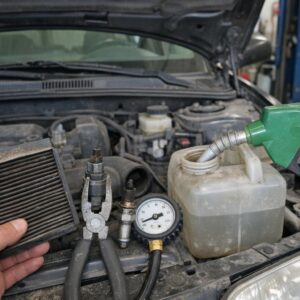
- Maintenance condition: Dirty air filters, old spark plugs, dragging brakes, and low-quality motor oil can all increase fuel consumption.
- Extra weight and roof racks: Carrying tools, sports gear, or unused cargo adds load, while roof storage increases drag.
A practical example: a commuter who removes a heavy toolbox from the trunk, checks tire pressure weekly, and uses cruise control on open highways may notice fewer fuel stops without changing any parts. For people tracking fuel cost for work, rideshare driving, or family budgeting, apps like Fuelly make it easier to spot patterns and compare MPG by route, weather, and maintenance schedule.
Daily Driving Habits That Improve MPG Without Changing Your Car
Small driving choices can make a noticeable difference in fuel economy, especially in stop-and-go traffic. The biggest habit to fix is aggressive acceleration; pressing the gas smoothly and looking farther ahead reduces wasted fuel from hard braking. In real-world commuting, I’ve seen drivers save fuel simply by leaving earlier and avoiding the “rush, brake, repeat” pattern.
Use cruise control on steady highways when traffic is light, but turn it off on hilly roads where it may over-throttle to hold speed. If your car has an instant MPG display, treat it like a coaching tool rather than a distraction. Apps such as Fuelly can also track fuel costs, miles per gallon, and maintenance patterns over time.
- Keep speeds consistent: rapid speed changes hurt gas mileage more than most drivers realize.
- Avoid long idling: if you’re waiting more than a minute or two, shutting off the engine usually makes sense.
- Plan errands together: one warm engine uses fuel more efficiently than several cold starts.
Route planning matters too. A slightly longer route with fewer traffic lights may deliver better MPG than a shorter road packed with stops, school zones, and congestion. Checking Google Maps or Waze before leaving can help you avoid fuel-wasting delays, toll traffic, and unnecessary detours.
Finally, remove heavy items from the trunk if you do not need them daily. You are not modifying the vehicle; you are just reducing the work the engine has to do. Simple habits, repeated every day, are often the cheapest fuel-saving tools available.
Common Fuel-Wasting Mistakes That Lower Gas Mileage
One of the biggest fuel economy mistakes is driving with inconsistent throttle input. Hard acceleration, late braking, and constantly changing speed force the engine to burn more fuel than necessary, especially in city traffic. A simple real-world example: if you race from one red light to the next, you are paying for fuel that never saves you time.
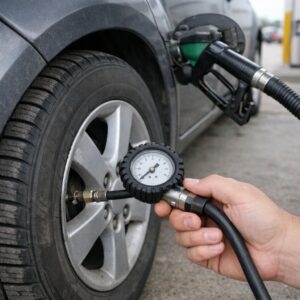
Another overlooked issue is ignoring tire pressure. Underinflated tires create extra rolling resistance, which lowers MPG and can also increase tire replacement cost. Keep a quality digital tire pressure gauge in the glove box and check pressures when the tires are cold, not after a long drive.
- Google Maps: Use it to avoid stop-and-go traffic, road closures, and fuel-wasting detours.
- FIXD OBD2 scanner: Helpful for checking engine codes that may affect fuel efficiency, such as oxygen sensor or emissions system issues.
- GasBuddy: Useful for comparing local fuel prices before filling up.
Carrying unnecessary weight is another quiet MPG killer. Tools, sports gear, roof racks, and cargo boxes add load or wind resistance, even when you are not using them. I have seen drivers leave a roof cargo carrier on for months after a road trip, then wonder why their fuel cost keeps climbing.
Finally, skipping basic maintenance can reduce gas mileage without any obvious warning. Dirty air filters, old spark plugs, low engine oil, or dragging brakes make the engine work harder. Before buying fuel-saving devices, start with a maintenance check from a trusted auto repair shop or use your owner’s manual service schedule.
Closing Recommendations
Improving gas mileage without modifications comes down to consistency, not complicated changes. The best approach is to treat fuel economy as a driving habit: accelerate smoothly, keep speeds reasonable, reduce unnecessary weight, and stay ahead of maintenance needs. If you want the biggest payoff, start with the habits that cost nothing and are easiest to repeat every day. Small choices behind the wheel can add up to meaningful savings over time, especially for commuters and frequent drivers. Choose the techniques that fit your routine, track your results, and make efficient driving your normal default.