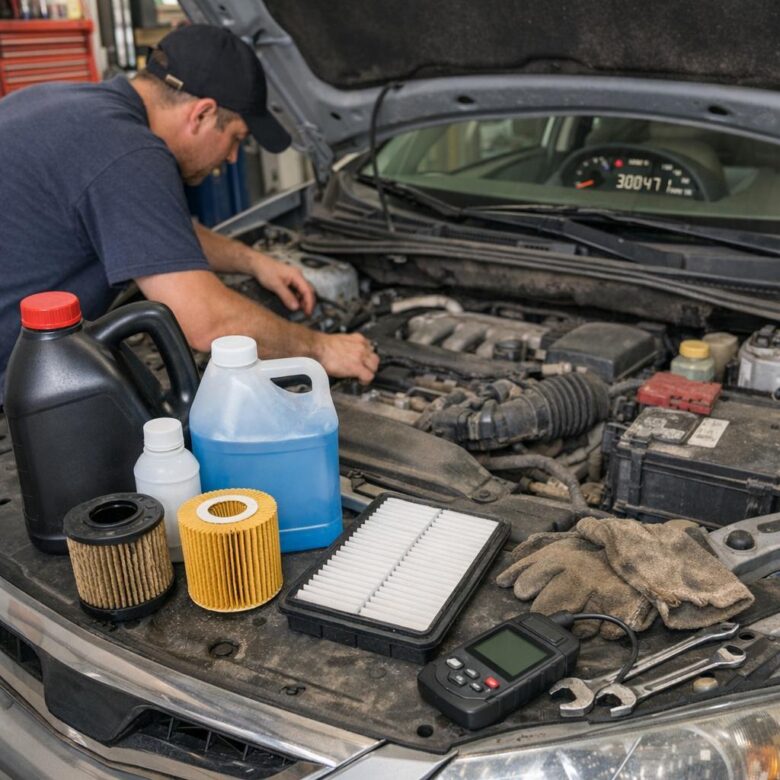
Reaching 300,000 miles depends on disciplined maintenance: change fluids on schedule, fix small faults early, drive smoothly, and protect the engine from heat and neglect.

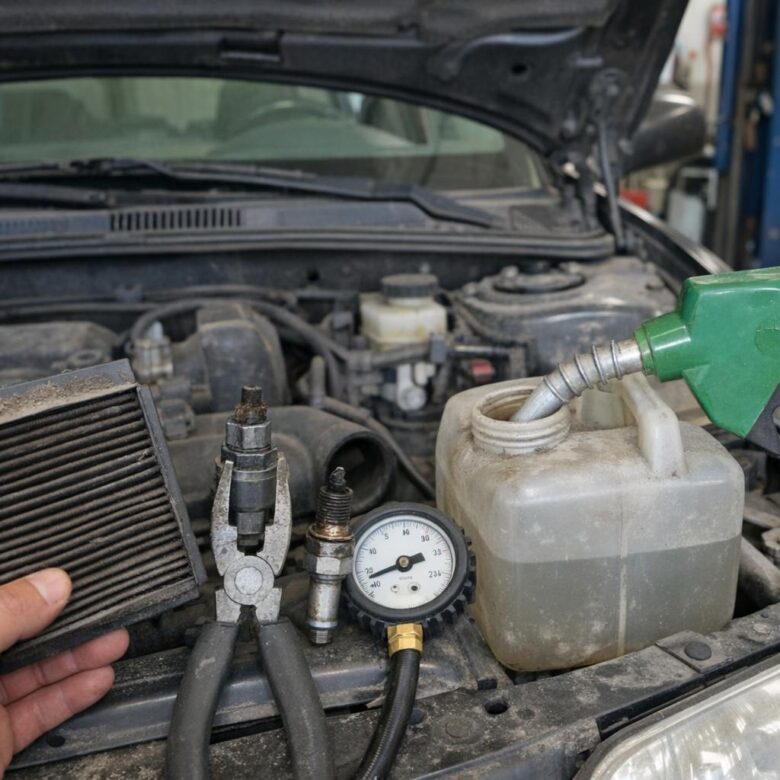
Excess fuel use often stems from underinflated tires, dirty filters, worn spark plugs, poor alignment, or aggressive driving. Timely diagnostics help restore efficiency.
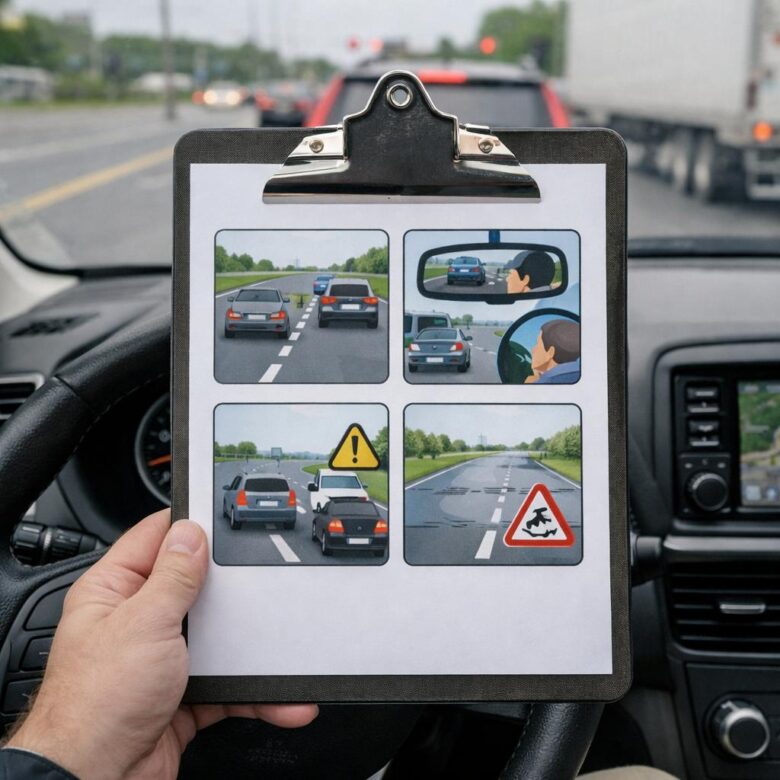
New drivers: scan far ahead, keep a safe following distance, obey speed limits, signal early, avoid distractions, and assume others may make mistakes.
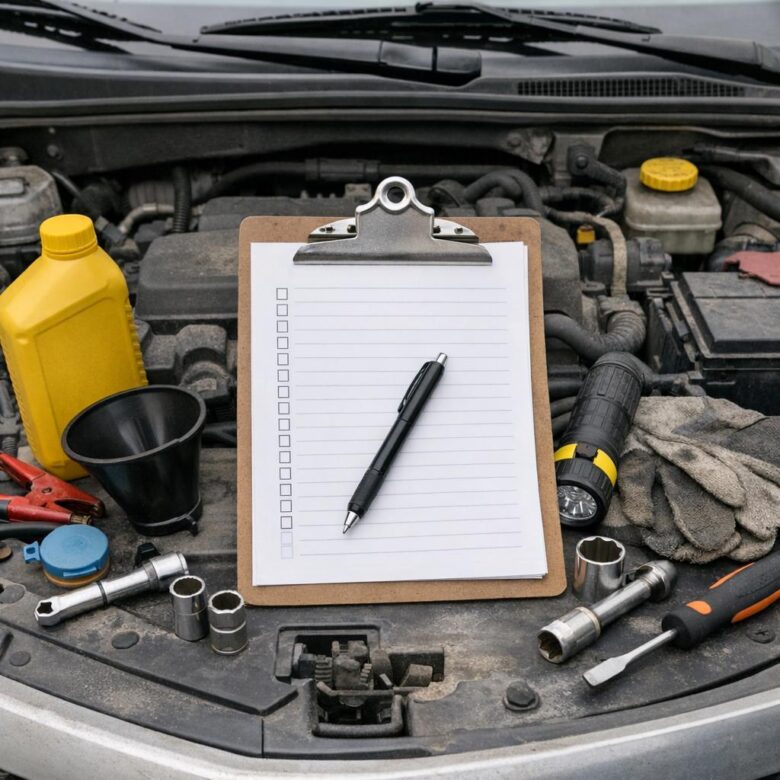
Beginner car maintenance starts with simple habits: check oil, tire pressure, lights, brakes, wipers, and fluid levels monthly to improve safety, reliability, and repair costs.
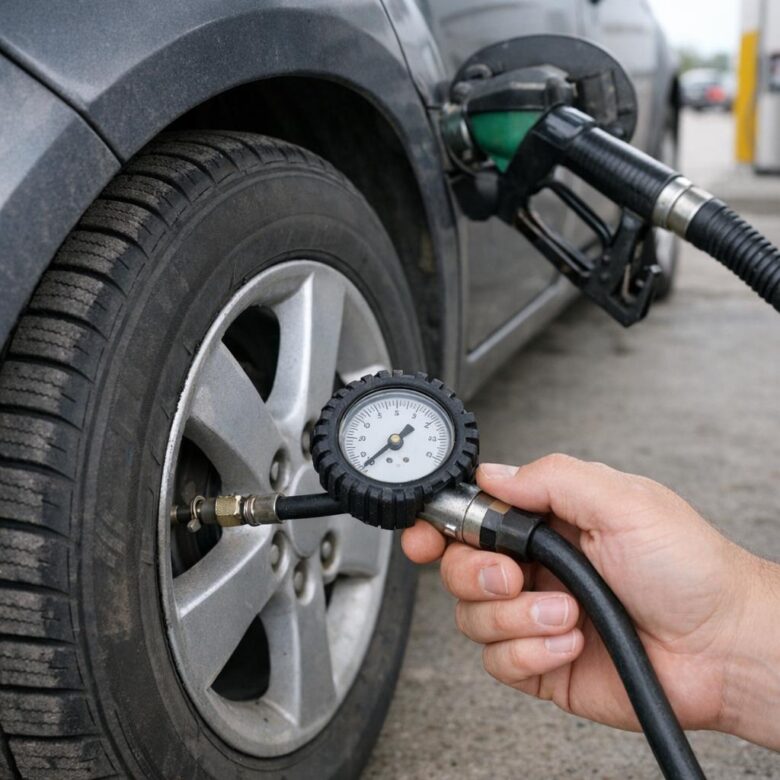
Best tire pressure is the PSI listed on your driver’s door placard. Check tires cold monthly; correct inflation reduces rolling resistance, improving fuel economy and tire life.
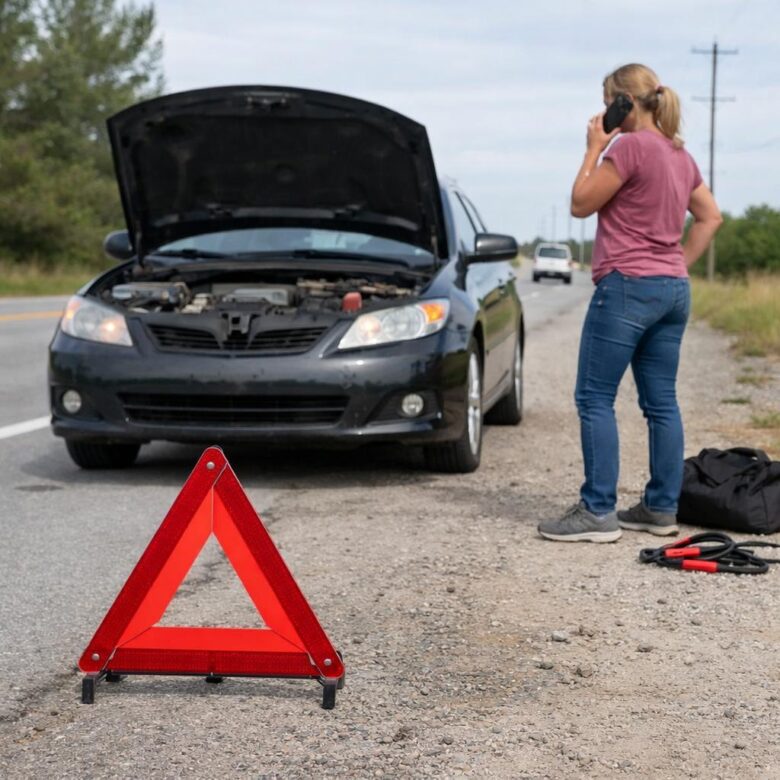
Car breakdown? Signal, steer to a safe shoulder, turn on hazards, stay visible, and call roadside assistance. If traffic is close, remain inside with belts fastened.
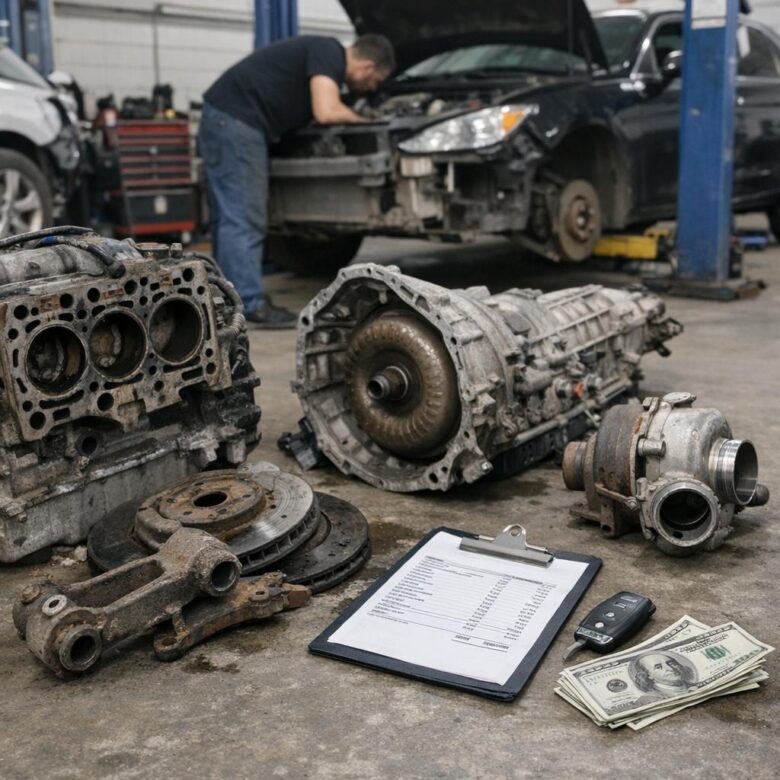
Engine, transmission, and hybrid battery repairs can cost thousands. Prevent them with timely fluid changes, diagnostics, cooling-system checks, and prompt attention to warning lights.
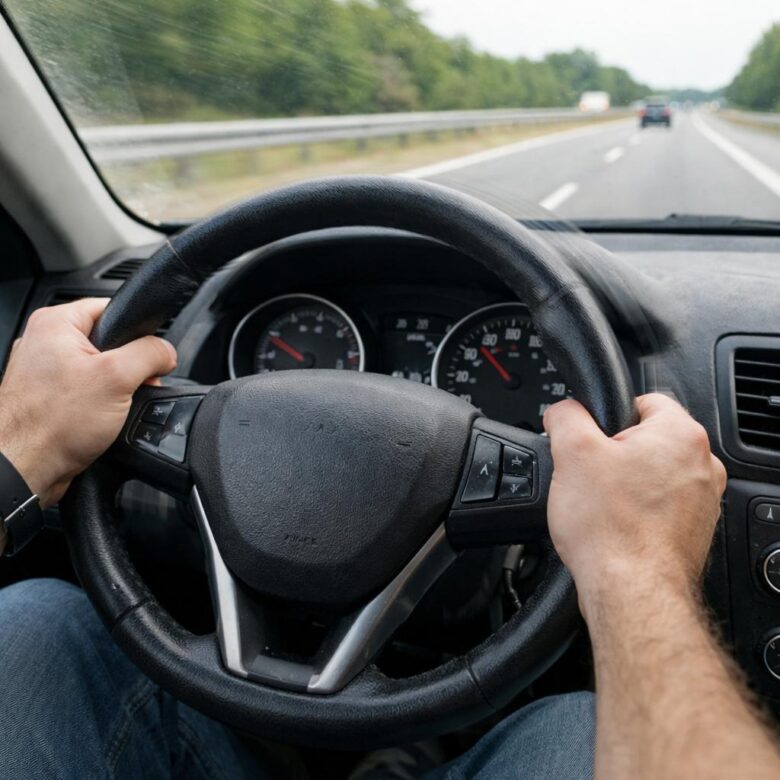
Steering wheel shake at high speed often points to wheel imbalance, uneven tire wear, bent rims, or worn suspension parts. Prompt diagnosis helps prevent tire damage and unsafe handling.
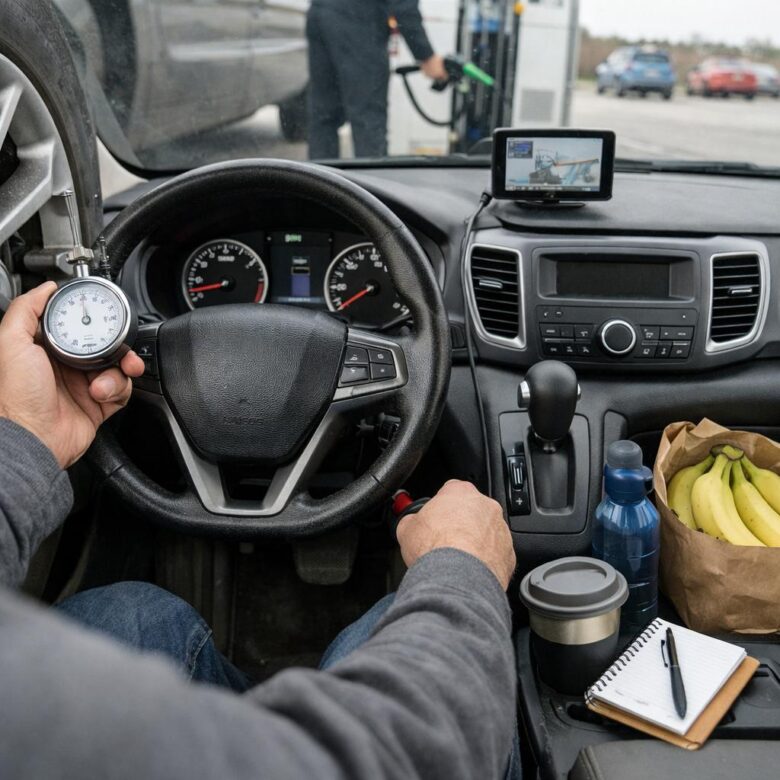
Improve gas mileage without modifications by maintaining tire pressure, driving smoothly, reducing excess weight, limiting idling, and using cruise control on steady highways.
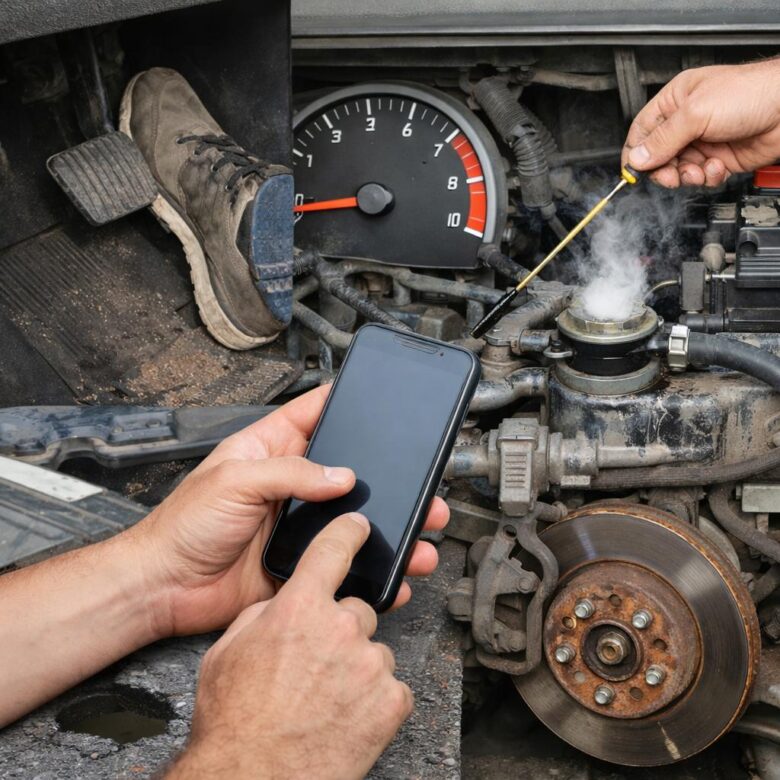
Hard braking, riding the clutch, and ignoring warning lights strain key components, shorten service life, and turn minor issues into costly repairs.