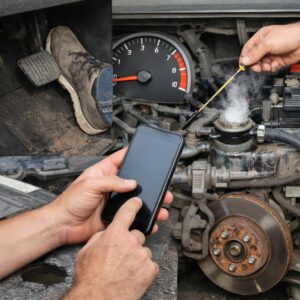
Does your steering wheel start shaking the moment you hit highway speeds?
That vibration is more than an annoyance-it’s your vehicle warning you that something in the tires, wheels, suspension, brakes, or steering system is no longer working as it should.
At high speed, even a small imbalance or worn component can turn into a noticeable shake, reducing control, comfort, and safety.
This guide breaks down the most common causes of steering wheel vibration at highway speeds, how to recognize the symptoms, and when it’s time to get the problem fixed before it becomes expensive-or dangerous.
What Causes Steering Wheel Shaking at High Speed: Tires, Wheels, Suspension, and Brake Issues Explained
Steering wheel shaking at highway speed is most often caused by something rotating unevenly or moving under load. The first place to check is the tires: uneven tread wear, a separated belt, incorrect tire pressure, or poor tire balancing can create vibration that usually starts around 55-70 mph.
A common real-world example is a car that feels smooth in town but shakes on the freeway after new tires were installed. In many cases, a tire shop can fix it with a road-force balance using a machine like the Hunter Road Force Elite, which detects stiffness variations that basic balancing may miss.
- Tires and wheels: Out-of-balance tires, bent rims, damaged wheel bearings, or cheap aftermarket wheels with poor fitment can cause high-speed vibration.
- Suspension and steering: Worn tie rods, ball joints, control arm bushings, or bad shocks can let the wheel move slightly, making the shake worse at speed.
- Brakes: If the steering wheel shakes mainly when braking, warped brake rotors, uneven pad deposits, or sticking calipers are likely suspects.
Wheel alignment service is also worth considering, especially if the car pulls to one side or the tires show feathered edges. Alignment alone will not fix an out-of-balance tire, but ignoring alignment can quickly ruin expensive tires and increase long-term repair cost.
A good repair shop will inspect tire condition, measure wheel runout, check suspension play, and test-drive the vehicle before recommending parts. That matters because replacing brake rotors or suspension components without proper diagnostics can turn a simple tire balancing cost into an unnecessary brake repair bill.
How to Diagnose High-Speed Steering Wheel Vibration Before It Becomes a Safety Problem
Start by noting exactly when the steering wheel shakes: 55-65 mph, only under braking, or after hitting a pothole. A vibration that appears at highway speed and fades when you slow down often points to tire imbalance, wheel damage, or alignment issues, while shaking during braking can suggest warped brake rotors or worn suspension parts.
Do a quick visual inspection before paying for repairs. Look for uneven tire wear, missing wheel weights, sidewall bubbles, bent rims, and loose lug nuts. I’ve seen a car come in with a “bad alignment” complaint that was actually a single missing balance weight after a tire rotation-an inexpensive wheel balancing service fixed it.
- Use a tire pressure gauge to confirm all tires match the manufacturer’s recommended PSI.
- Check recent tire service records for rotation, balancing, or new tire installation.
- Ask a repair shop to inspect tie rods, ball joints, wheel bearings, and control arm bushings.
If the vibration gets stronger over time, don’t keep driving at highway speeds. A professional technician can use a road force balancer such as the Hunter Road Force Elite to detect tire or rim problems that a standard tire balancing machine may miss. This is especially useful when new tires still cause steering wheel vibration after balancing.
For an accurate diagnosis, describe the symptoms clearly to the auto repair shop: speed range, road conditions, braking behavior, and whether the shake is felt in the steering wheel, seat, or brake pedal. That information can reduce diagnostic time, repair cost, and the risk of replacing good parts unnecessarily.
Common Mistakes Drivers Make When Fixing a Shaking Steering Wheel at Highway Speeds
One of the biggest mistakes is replacing parts before confirming the cause. Many drivers buy new tires, brake rotors, or suspension components when the real issue is a simple wheel balance problem that a tire shop can check in minutes using a Hunter Road Force Balancer.
Another common error is assuming “new tires” cannot be the problem. In real-world repair shops, it is not unusual to see a brand-new tire with a manufacturing defect, uneven bead seating, or poor balancing that causes vibration at 60-75 mph.
- Skipping road-force balancing: Standard balancing may miss tire stiffness issues that show up only at highway speeds.
- Ignoring bent wheels: A slightly bent rim can feel like a tire imbalance, especially after hitting a pothole.
- Doing an alignment too soon: Wheel alignment service helps with pulling and tire wear, but it usually will not fix a vibration caused by imbalance.
Drivers also waste money by replacing only one worn suspension part without checking the full front end. A loose tie rod, worn control arm bushing, or bad wheel bearing can create shaking and may affect vehicle safety, tire wear, and repair cost if ignored.
A smarter approach is to start with a tire inspection, wheel balance, rim check, and front suspension diagnosis before approving major repairs. Ask the technician to show you the tire wear pattern or wheel runout reading, not just recommend expensive parts.
Final Thoughts on Why Your Steering Wheel Shakes at High Speed
High-speed steering wheel shake is never something to ignore. Even if the car still feels drivable, the vibration is a sign that a tire, wheel, suspension, or brake issue is affecting stability. Start with the simplest checks: tire pressure, visible tire damage, and recent wheel balancing. If the shake continues, have a qualified technician inspect the front-end components before the problem becomes unsafe or more expensive.
- Drive cautiously and avoid sustained high speeds until diagnosed.
- Do not assume it is “normal” road feel.
- Seek immediate service if the shaking worsens, pulls the car, or appears during braking.