What if one ignored warning light could cost more than a family vacation?
The most expensive car repairs rarely happen out of nowhere-they usually start as small symptoms drivers overlook, delay, or misunderstand.
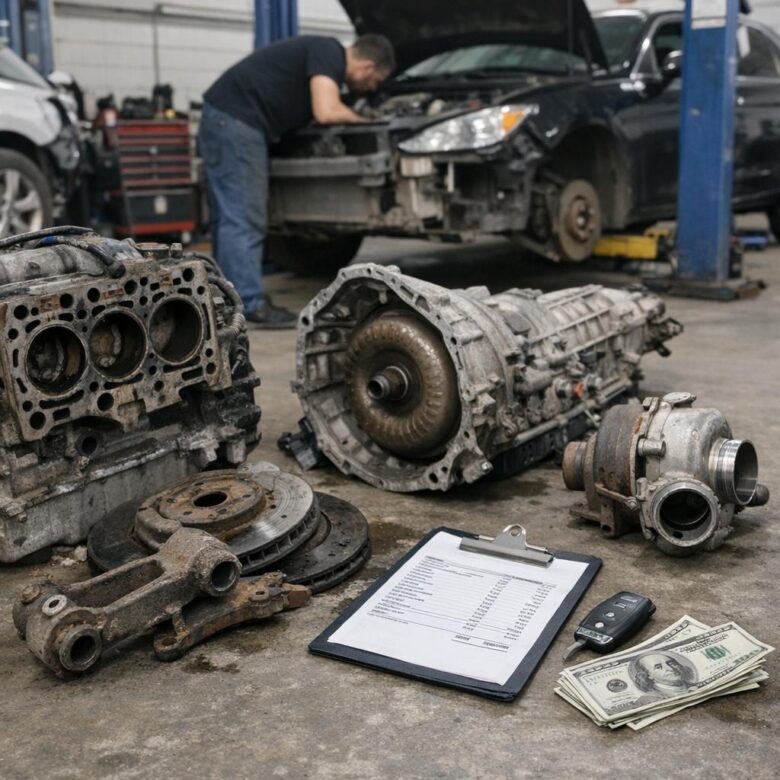
From blown engines and failed transmissions to hybrid battery replacements, these repairs can drain thousands from your budget and leave you without transportation when you need it most.
The good news: many of the worst repair bills are preventable with smarter maintenance, faster diagnosis, and a few habits that protect your car long before trouble gets serious.
What Makes Car Repairs So Expensive: The Costliest Components Explained
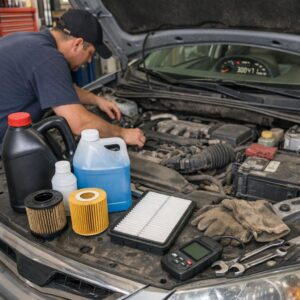
Car repair costs rise quickly when the job involves expensive parts, specialized labor, or advanced diagnostics. Modern vehicles rely on electronic control modules, sensors, turbochargers, hybrid batteries, and driver-assistance systems, so a simple warning light can require professional scan tools like OBDLink MX+ or shop-grade diagnostic software before the mechanic even turns a wrench.
The biggest repair bills usually come from components that are hard to access or must be calibrated after replacement. For example, replacing a transmission is expensive not only because the part costs a lot, but because the technician may need hours of labor, fresh transmission fluid, software updates, and a road test to confirm proper shifting.
- Engine and transmission repairs: High labor time, costly fluids, and precision work make these some of the most expensive auto repair services.
- Hybrid and EV battery systems: Battery pack replacement, cooling system checks, and high-voltage safety procedures require trained technicians.
- ADAS sensors and cameras: Windshield replacement or bumper repairs may require radar and camera calibration, adding to the final repair estimate.
In real-world shop situations, I’ve seen a minor front-end collision become much more expensive because the radar sensor behind the bumper had to be replaced and calibrated. That’s why it’s smart to ask for an itemized estimate showing parts, labor hours, diagnostic fees, and calibration costs before approving major vehicle repairs.
How to Prevent Major Auto Repairs With Smart Maintenance Habits
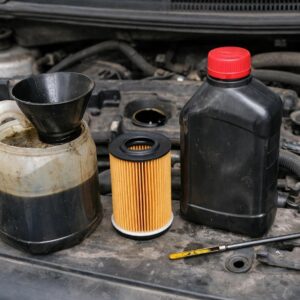
The cheapest major repair is the one you avoid. Smart maintenance starts with following the factory service schedule, not waiting for a dashboard warning light. Oil changes, coolant flushes, transmission service, brake inspections, and timing belt replacement may feel routine, but skipping them is what often turns a manageable car maintenance cost into an engine repair or transmission replacement bill.
Use a maintenance tracking app like CARFAX Car Care or a basic OBD2 scanner to catch problems early. For example, a driver who notices a small coolant leak and fixes a worn hose may avoid overheating, head gasket damage, and expensive towing service. In real shops, many “sudden” failures start as small leaks, noises, smells, or temperature changes that were ignored for weeks.
- Check engine oil, coolant level, tire pressure, and brake fluid at least once a month.
- Scan warning lights early instead of guessing; diagnostic tools can help before visiting an auto repair shop.
- Keep receipts and service records to protect resale value and support warranty claims.
Pay attention to how the car feels. Delayed shifting, vibration while braking, a sweet coolant smell, or a whining noise from the engine bay are not “normal aging.” Getting a professional vehicle inspection before a road trip, after buying a used car, or when a warning light appears can prevent costly car repairs and help you budget for parts before they fail completely.
Common Warning Signs Drivers Ignore Before Repairs Become Expensive
Most major car repair costs start with small symptoms that drivers get used to. A faint burning smell, a delayed gear shift, or a tiny coolant leak may not feel urgent, but these are often early clues before engine repair, transmission service, or brake replacement becomes far more expensive.
One real-world example I see often: a driver notices the temperature gauge creeping higher in traffic but keeps driving because it drops again on the highway. That can turn a simple coolant hose or thermostat repair into a blown head gasket diagnosis if the engine overheats repeatedly.
- Dashboard warning lights: A check engine light, oil pressure light, or battery warning should be scanned quickly with a tool like FIXD or a professional OBD2 diagnostic scanner.
- New noises or vibrations: Grinding brakes, knocking from the engine, or shaking at highway speeds can point to safety issues and higher repair bills if ignored.
- Fluid leaks: Red transmission fluid, green coolant, or dark engine oil under the car usually means a seal, hose, gasket, or component is failing.
Pay attention to changes after routine maintenance, too. If the car smells like fuel after a repair, shifts differently after a transmission fluid service, or pulls to one side after tire installation, return to the auto repair shop before the issue damages related parts.
A quick diagnostic inspection is usually cheaper than waiting for a breakdown and paying for towing, emergency repair, and rental car services. When in doubt, document the symptom, take a photo or short video, and ask the mechanic for a written estimate before approving work.
Expert Verdict on Most Expensive Car Repairs and How to Avoid Them
The most expensive repairs are often the result of small problems ignored for too long. Your best protection is consistency: follow the maintenance schedule, act quickly on warning lights, and investigate unusual noises, leaks, smells, or performance changes before they become major failures.
When repair costs are high, compare the estimate against the vehicle’s age, mileage, value, and reliability history. If the fix restores dependable use, it may be worth doing; if costly repairs are becoming routine, replacement could be the smarter financial choice. Preventive care is not just maintenance-it is long-term cost control.