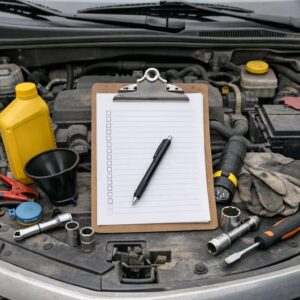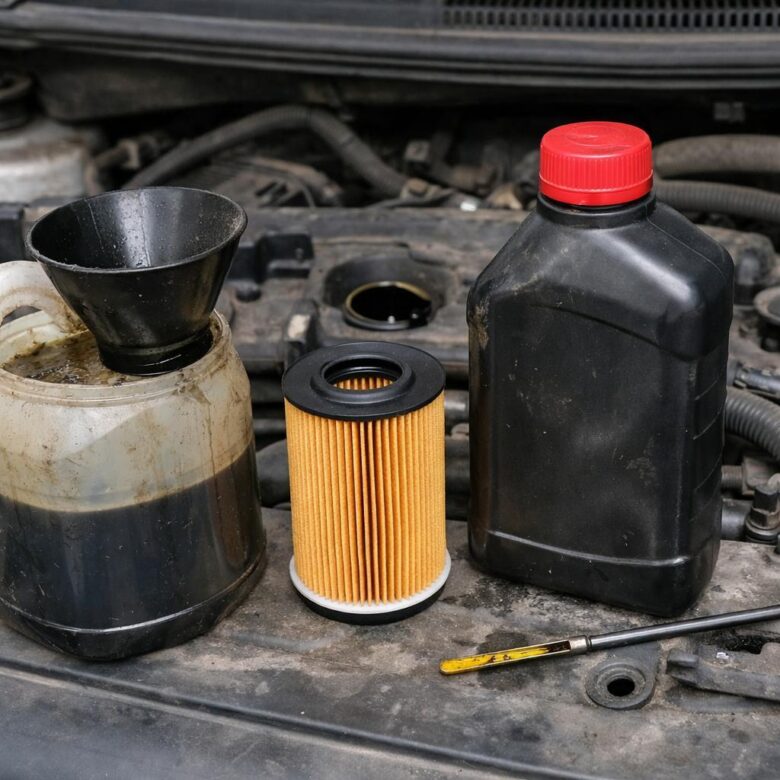
What if your “every 3,000 miles” oil change habit is wasting money-or worse, not protecting your engine enough?
Engine oil life depends less on old rules of thumb and more on how you drive, what you drive, the oil type, engine age, climate, and manufacturer specs.
Change it too early, and you burn cash unnecessarily. Change it too late, and sludge, heat, and metal wear can quietly shorten your engine’s life.
This guide breaks down how often you should really change your engine oil, when to trust your dashboard oil-life monitor, and the warning signs that mean it’s time to act sooner.
What Really Determines Engine Oil Change Intervals?
Engine oil change intervals are not decided by mileage alone. The real answer depends on your engine design, oil type, driving habits, climate, oil filter quality, and the maintenance schedule recommended by the manufacturer.
A turbocharged engine, for example, usually works harder and runs hotter than a basic naturally aspirated engine. If you drive a small turbo SUV in stop-and-go traffic every day, changing full synthetic oil at the shorter end of the recommended range is often smarter than stretching it to save on oil change cost.
Severe driving conditions matter more than many owners realize. Short trips, towing, dusty roads, extreme heat, freezing starts, and long idle time can break oil down faster even if the odometer barely moves.
- Oil type: Full synthetic oil generally lasts longer than conventional oil, but it still has limits.
- Oil filter: A cheap filter can reduce protection before the oil itself is worn out.
- Driving pattern: Highway miles are usually easier on oil than city driving and frequent cold starts.
For a more accurate answer, check your owner’s manual and compare it with real driving conditions. Tools like a FIXD OBD2 scanner can help track maintenance reminders, engine fault codes, and service needs before they become expensive repairs.
If you want the most precise interval, consider a used oil analysis from a reputable lab. It can show fuel dilution, metal wear, and oil condition, which is especially useful for high-mileage vehicles, fleet maintenance, or cars under an extended warranty.
How to Choose the Right Oil Change Schedule for Your Driving Conditions
The right oil change schedule depends less on mileage alone and more on how your engine is used. If you mostly drive steady highway miles, full synthetic motor oil may safely last near the longer interval listed in your owner’s manual. But short trips, stop-and-go traffic, towing, dusty roads, and extreme heat put your vehicle into “severe service,” which usually means changing engine oil sooner.
A practical way to decide is to match your driving pattern to your maintenance plan:
- Mostly highway driving: Follow the normal interval recommended by the manufacturer, especially with synthetic oil.
- City commuting or short trips: Consider a shorter oil change interval because the engine may not fully warm up and burn off moisture.
- Towing, rideshare, or delivery work: Treat the vehicle as severe-duty and inspect oil level and color more often.
For example, a driver using a Toyota Camry for a 40-mile highway commute has a very different maintenance need than someone using the same car for DoorDash in downtown traffic. In real repair shops, the second vehicle often shows darker oil sooner because of idling, repeated starts, and heat buildup.
Use your dashboard oil life monitor if equipped, but don’t treat it as the only source of truth. A simple OBD2 scanner like BlueDriver, maintenance apps such as CARFAX Car Care, and regular dipstick checks can help you track engine health, oil change cost, and service history more accurately.
Common Oil Change Mistakes That Shorten Engine Life
One of the most expensive mistakes is using the wrong oil viscosity because it was “close enough.” Modern engines are built around tight oil specifications, and using 10W-40 when the manufacturer requires 0W-20 synthetic oil can affect cold starts, fuel economy, variable valve timing, and long-term wear.
Another common issue is replacing the oil but ignoring the oil filter. A cheap or clogged filter can bypass dirty oil back into the engine, which is not where you want to save money. If you are already paying for a synthetic oil change service, use a quality filter that matches the vehicle’s service interval.
- Overfilling the engine oil: too much oil can cause foaming, leaks, and pressure problems.
- Skipping the drain plug washer: a small washer can prevent annoying leaks and oil pan damage.
- Resetting the oil life monitor without changing oil: this hides the real maintenance schedule.
In the shop, I’ve seen engines come in with fresh-looking oil on the dipstick but a collapsed filter inside the housing. The owner thought the car was protected because the oil change cost was higher at a quick lube center, but the wrong filter caused noise on startup.
Use the owner’s manual, keep receipts, and check your oil level after the service. A simple scan with an OBDLink MX+ or a professional inspection at a trusted auto repair shop can also catch oil pressure warnings, service reminder issues, or leaks before they become engine repair bills.
Closing Recommendations
The right oil-change interval is the one your engine can safely tolerate-not the shortest number on a sticker. Start with your owner’s manual, then adjust for real driving conditions: short trips, towing, extreme temperatures, heavy traffic, or turbocharged engines usually justify earlier service.
If your driving is mostly gentle highway use and you use the correct modern oil, longer intervals may be perfectly reasonable. When in doubt, choose the conservative interval or confirm with an oil analysis. Oil is cheaper than engine wear, but unnecessary changes waste money. Let mileage, time, driving severity, and manufacturer guidance make the decision.