What if your car is quietly wasting hundreds of dollars a year before you even leave the driveway?
Fuel prices may rise and fall, but the habits that drain your tank are surprisingly consistent: aggressive acceleration, poor tire pressure, excess weight, and small maintenance delays.
The good news is that saving money on fuel does not require a new car, expensive gadgets, or drastic lifestyle changes. A few simple driving and maintenance habits can stretch every gallon further and keep more cash in your pocket year after year.
Why Small Driving Habits Have a Big Impact on Annual Fuel Costs
Fuel savings rarely come from one dramatic change; they usually come from small habits repeated every day. Hard acceleration, late braking, unnecessary idling, and underinflated tires all increase fuel consumption in ways that feel minor on a single trip but become expensive over a full year of commuting, school runs, and weekend errands.
A practical example: if you drive the same 12-mile route to work each day, aggressive starts at traffic lights and speeding between stops may only waste a little fuel per trip. But over hundreds of trips, that behavior can quietly raise your annual fuel costs, especially when gas prices are high or you drive a larger SUV, pickup, or older vehicle with lower fuel economy.
Tracking your habits makes the savings easier to see. Apps like Fuelly or GasBuddy can help monitor fuel mileage, compare gas prices, and spot changes after tire pressure checks, smoother driving, or basic car maintenance.
- Use cruise control on steady highways when conditions are safe.
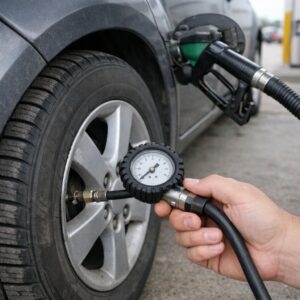
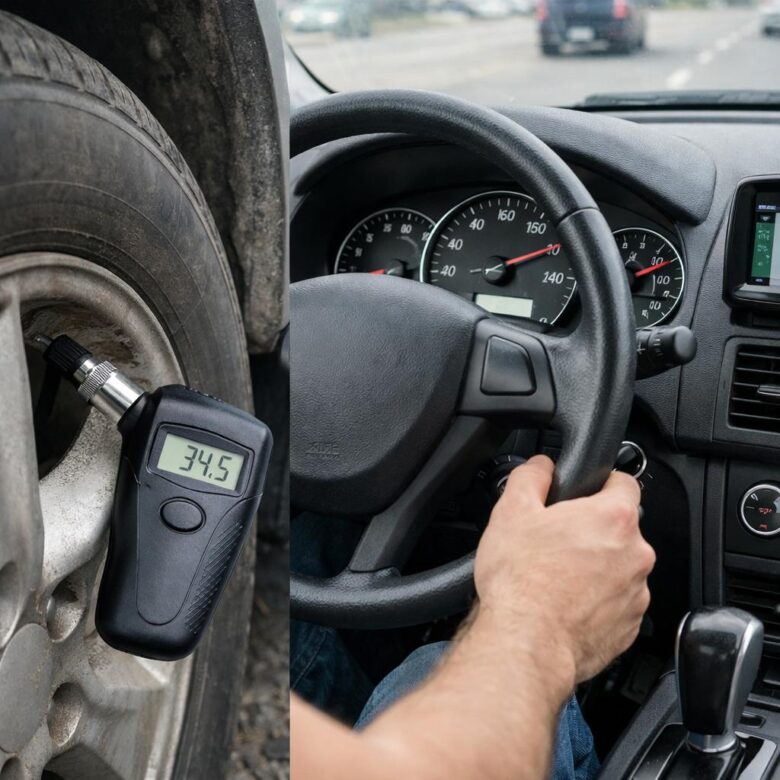
- Check tire pressure monthly with a digital tire gauge.
- Remove heavy cargo or roof racks when they are not needed.
One real-world observation: drivers often notice better mileage after simply planning errands in one loop instead of making several cold-start trips. That is because engines are less efficient when cold, and short trips can be surprisingly costly over time.
Small habits work because they reduce waste without requiring a new car, expensive fuel-saving device, or major lifestyle change. The benefit is consistency: smoother driving, smarter routing, and regular maintenance keep more money in your budget every month.
Everyday Fuel-Saving Techniques for Commuting, Errands, and Highway Driving
Small driving choices add up fast, especially if you commute daily or run several errands a week. The biggest fuel economy gains usually come from smoother acceleration, earlier braking, and avoiding unnecessary idling in school lines, drive-thrus, or parking lots.
For city driving, plan errands in one loop instead of making separate trips from home. A simple route planner like Google Maps can help you avoid traffic, road closures, and stop-and-go areas that burn extra fuel without adding much distance.
- Use cruise control on open highways, but turn it off in hilly areas where it may overwork the engine.
- Check tire pressure monthly with a digital tire pressure gauge, especially during seasonal temperature changes.
- Remove roof racks, heavy tools, or storage bins when you do not need them, because extra weight and drag increase fuel cost.
A real-world example: if you normally stop for groceries after work, combine that with pharmacy pickups or package returns on the same route. You save fuel, reduce engine wear, and spend less time in traffic.
On highways, keep a steady speed and leave more space ahead so you are not constantly braking and accelerating. If your car has an eco driving display, pay attention to it for a week; many drivers are surprised how much rapid passing, late braking, and speeding affect miles per gallon.
For extra savings, compare nearby gas prices using a fuel app such as GasBuddy, but do not drive far out of your way for a tiny discount. The goal is lower total transportation cost, not just a cheaper price per gallon.
Common Fuel-Wasting Mistakes That Quietly Increase Your Gas Bill
Many drivers lose money on fuel without noticing it because the mistakes feel harmless in daily driving. One of the biggest is making several short trips with a cold engine instead of combining errands into one route. For example, driving five minutes to the pharmacy, coming home, then leaving again for groceries usually burns more gas than planning both stops together with Google Maps.
Another common mistake is ignoring tire pressure until the warning light appears. Underinflated tires create extra rolling resistance, which makes the engine work harder and increases fuel consumption. A simple digital tire pressure gauge or a portable air compressor can pay for itself quickly, especially if you drive often for work, school runs, or delivery shifts.
- Carrying unnecessary weight: Sports gear, tools, or boxes left in the trunk add load and reduce fuel economy over time.
- Using roof racks when not needed: Even empty racks create wind drag, especially on highways.
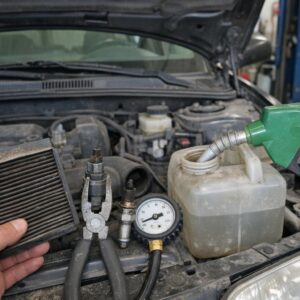
- Skipping engine diagnostics: A dirty air filter, bad oxygen sensor, or old spark plugs can quietly raise fuel costs.
I’ve seen drivers blame “expensive gas prices” when the real issue was a neglected maintenance item. Using an OBD2 scanner like FIXD or tracking fill-ups in an app such as Fuelly can help you spot sudden drops in miles per gallon before they become costly repairs. Small habits matter because fuel waste rarely happens all at once-it leaks from your budget one drive at a time.
Closing Recommendations
Saving on fuel is less about one big change and more about consistent choices. The smartest approach is to focus on habits you can repeat without effort: smoother driving, proper tire care, fewer unnecessary trips, and regular maintenance.
Start with the changes that fit your routine best, then track your fuel spending for a month. If a habit clearly lowers costs without making driving inconvenient, keep it. Over time, these small decisions can turn into hundreds of dollars saved each year-money better used for priorities beyond the gas pump.