Is your car burning fuel-or burning your money?
When fuel consumption suddenly rises, it’s rarely “just the car getting older.” Small faults in tires, sensors, filters, driving habits, or maintenance can quietly make every trip more expensive.
The tricky part is that many causes don’t trigger a warning light right away. Your engine may feel normal while it works harder than it should, wasting fuel mile after mile.
This guide explains the most common reasons your car consumes too much fuel, how to spot the warning signs, and what to fix before a minor problem turns into a costly one.
What Causes High Fuel Consumption in Cars?
High fuel consumption usually happens when the engine has to work harder than it should, or when fuel is not being burned efficiently. In real-world diagnostics, I often see simple issues like underinflated tires or a dirty air filter increase fuel use long before a driver notices any major engine problem.
Common causes include:
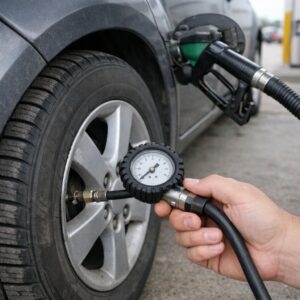
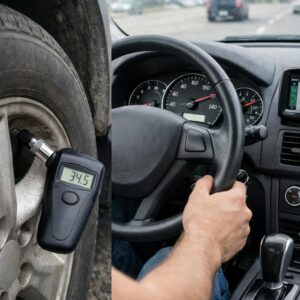
- Low tire pressure: Soft tires create more rolling resistance, which makes the engine burn more fuel. Check pressure monthly with a digital tire pressure gauge.
- Dirty air filter or clogged fuel injectors: Poor airflow or uneven fuel spray can reduce combustion efficiency and increase fuel costs over time.
- Faulty oxygen sensor or mass airflow sensor: These parts help control the air-fuel mixture. When they fail, the engine may run too rich and waste fuel.
Driving habits matter too. For example, a car used mainly for short city trips, heavy traffic, and sudden acceleration will consume more fuel than the same car driven smoothly on open roads. Carrying extra weight, using roof racks, or leaving the engine idling with the air conditioning on can also raise fuel consumption.
A practical first step is to scan the vehicle with an OBD2 scanner such as BlueDriver or ask a trusted auto repair shop for engine diagnostics. This can reveal sensor faults, misfires, or fuel system problems before you spend money on unnecessary repairs.
How to Diagnose Why Your Car Is Using Too Much Fuel
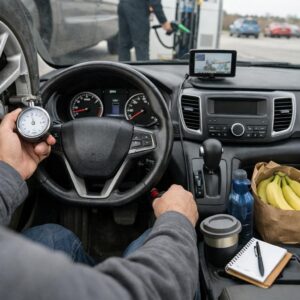
Start by confirming the problem with real numbers, not guesswork. Fill the tank, reset the trip meter, drive normally, then divide miles driven by gallons used. If your fuel economy has dropped suddenly, that usually points to a mechanical, sensor, or maintenance issue rather than “normal wear.”
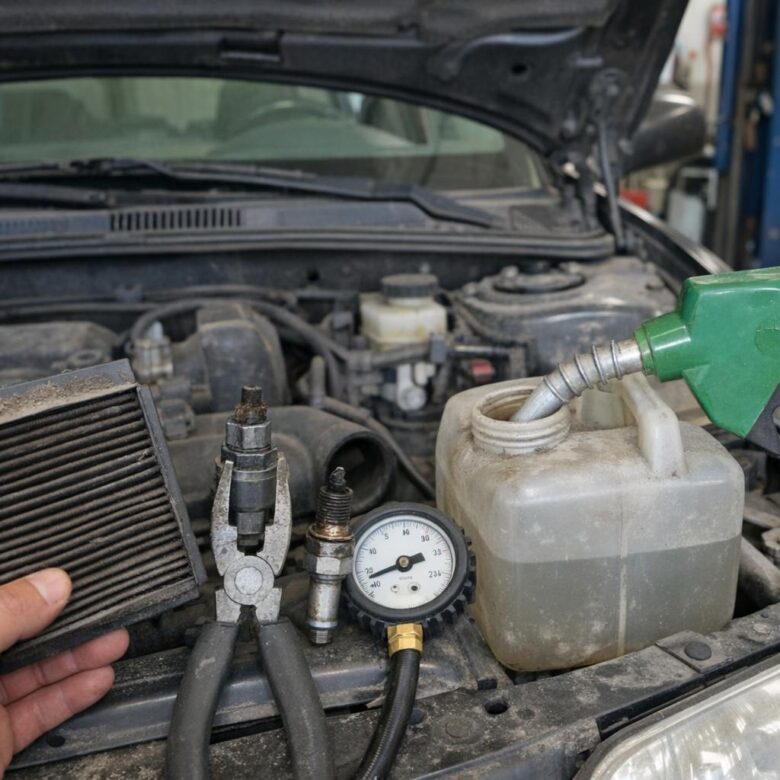
Next, check the easy items before paying for a full mechanic diagnostic service. Low tire pressure, a dirty engine air filter, dragging brakes, or old spark plugs can all increase fuel consumption without always triggering a warning light.
- Use a tire pressure gauge and compare readings with the sticker inside the driver’s door.
- Inspect the air filter; if it looks dark, clogged, or oily, replace it.
- Scan for hidden fault codes using an OBDLink OBD2 scanner or a professional engine diagnostics tool.
Pay close attention to sensor-related codes, especially for the oxygen sensor, mass airflow sensor, coolant temperature sensor, or fuel trim readings. In real workshop situations, I’ve seen cars waste fuel because the engine computer thought the engine was still cold, so it kept adding extra fuel long after startup.
If the scan shows rich fuel mixture codes, misfires, or abnormal fuel trim, the next step may involve fuel injector testing, oxygen sensor replacement cost estimates, or checking for vacuum leaks. A good technician should explain the data before recommending parts, because replacing components without testing can get expensive fast.
Common Driving and Maintenance Mistakes That Increase Fuel Consumption
One of the biggest reasons a car starts using too much fuel is inconsistent driving. Hard acceleration, late braking, and speeding between traffic lights force the engine to burn more petrol or diesel than needed. In real workshops, it is common to see drivers blame the fuel system when the real issue is stop-start aggressive driving during daily city commutes.
Ignoring basic car maintenance also raises fuel consumption quickly. A clogged air filter, old spark plugs, low tire pressure, or dirty fuel injectors can make the engine work harder. Using an OBD2 scanner such as BlueDriver can help identify misfires, oxygen sensor faults, or fuel trim problems before they turn into expensive repair costs.
- Underinflated tires: increase rolling resistance and reduce fuel efficiency, especially on highways.
- Delayed oil changes: make the engine less efficient, particularly if the wrong engine oil grade is used.
- Excess weight: roof racks, tools, or heavy items in the trunk increase fuel demand on every trip.
Another overlooked mistake is using poor-quality fuel or skipping scheduled fuel system cleaning when symptoms appear. If the car hesitates, idles roughly, or smells rich from the exhaust, a professional diagnostic service may save money compared with guessing and replacing random parts. Small habits matter too: removing unnecessary cargo, checking tire pressure monthly, and keeping service records can noticeably improve real-world fuel economy.
Summary of Recommendations
Excess fuel consumption is rarely random; it is usually a signal that driving habits, maintenance, tire condition, fuel quality, or a mechanical fault needs attention. The smartest approach is to start with simple checks-tire pressure, air filter, driving style, and unnecessary load-before moving to diagnostics.
- If fuel use rises suddenly, inspect for leaks, sensor faults, brake drag, or engine issues.
- If consumption increases gradually, review maintenance intervals and driving patterns.
- When in doubt, compare real mileage data and let a trusted mechanic confirm the cause.