What if your car’s “expiration date” is mostly a myth?
Reaching 300,000 miles isn’t reserved for diesel trucks, lucky owners, or obsessives with garage lifts. It usually comes down to how you drive, what you maintain, and whether you fix small problems before they become expensive ones.
Modern engines, transmissions, and chassis can last far longer than most people expect-but only if fluids, filters, tires, cooling systems, and wear parts are treated as investments instead of annoyances.
This guide breaks down the habits and maintenance priorities that give your car the best shot at crossing 300,000 miles with confidence, reliability, and far fewer surprise repair bills.
What It Really Takes to Make a Car Last Over 300,000 Miles
Getting a car past 300,000 miles is less about luck and more about disciplined preventive maintenance. The owners I’ve seen reach that number usually follow the service schedule closely, fix small problems early, and avoid cheap parts when the repair affects safety, cooling, lubrication, or transmission life.
The biggest mistake is waiting until something feels “bad enough” to repair. A small coolant leak, delayed oil change, or worn suspension bushing can turn into engine damage, poor fuel economy, or expensive auto repair costs. Use a maintenance app like CARFAX Car Care to track oil changes, tire rotations, brake service, battery replacement, and factory recalls.
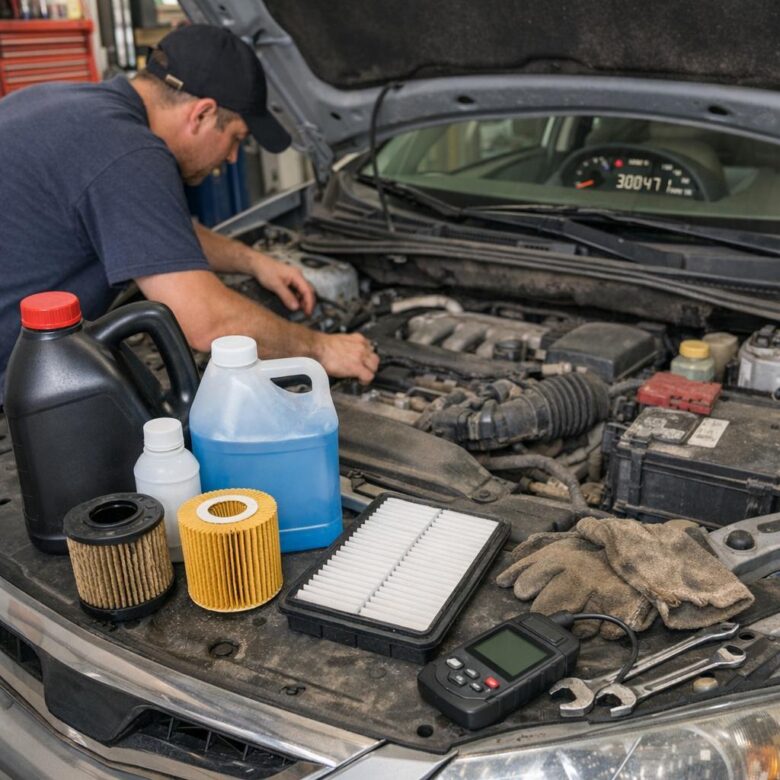
- Use high-quality engine oil, filters, coolant, transmission fluid, and brake fluid that match the manufacturer’s specifications.
- Scan warning lights early with an OBD2 scanner or ask a trusted mechanic for a diagnostic service before parts fail.
- Budget for wear items like tires, shocks, belts, hoses, spark plugs, and wheel bearings instead of treating them as surprises.
A real-world example: a Toyota Camry or Honda Accord with 220,000 miles can still be a smart daily driver if the timing components, cooling system, transmission service, and suspension have been maintained. But the same car with skipped fluid changes and overheating history may be a financial trap.
The real secret is consistency. Keep records, listen for new noises, inspect leaks, and choose a repair shop that explains the cause of a problem-not just the part that failed.
The 300,000-Mile Maintenance Plan: Fluids, Filters, Tires, and Wear Parts
Getting a car past 300,000 miles is less about luck and more about replacing the right items before they damage expensive parts. Engine oil, transmission fluid, coolant, brake fluid, and differential fluid should be serviced based on severe-use intervals if you drive in traffic, heat, hills, or short trips. A $120 fluid service is much easier to accept than a $4,000 transmission repair.
Use your owner’s manual as the baseline, then track everything with a maintenance app like CARFAX Car Care or a simple spreadsheet. In the real world, I’ve seen well-maintained Toyota, Honda, Ford, and Lexus models run far beyond 250,000 miles mainly because the owners documented oil changes, used quality filters, and never ignored small leaks.
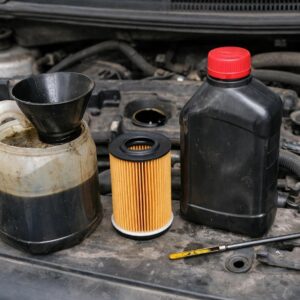
- Fluids: Change engine oil on schedule, service transmission fluid before shifting gets rough, and flush coolant before corrosion starts.
- Filters: Replace engine air, cabin air, fuel, and oil filters with OEM or high-quality aftermarket parts from brands like Wix, Denso, or Mann.
- Wear parts: Inspect tires, brakes, belts, hoses, suspension bushings, wheel bearings, and spark plugs during every major service.
Tires also matter more than many owners realize. Poor alignment, cheap tires, or weak shocks can stress suspension components and reduce fuel economy. At every tire rotation, ask for a quick inspection of uneven wear, brake pad thickness, and fluid seepage.
One simple rule works: fix small problems while they are still small. A cracked hose, worn belt, or leaking valve cover gasket can become roadside assistance, towing costs, and a much bigger repair bill if ignored.
High-Mileage Driving Habits and Costly Mistakes That Shorten Engine Life
Once a car passes 150,000 miles, small driving habits start to matter more than brand reputation. Hard acceleration on a cold engine, ignoring oil leaks, and stretching maintenance intervals can turn a reliable vehicle into a major auto repair bill. Let the engine idle for 20-30 seconds, drive gently until temperatures stabilize, and use the correct synthetic motor oil recommended in the owner’s manual.
One common mistake I see with high-mileage cars is treating the check engine light like a suggestion. A driver may keep commuting with a minor misfire, but that can damage the catalytic converter and oxygen sensors, raising repair costs fast. A basic scan tool like BlueDriver or FIXD can help you read diagnostic trouble codes before visiting a mechanic or auto repair shop.
- Avoid short trips when possible; they leave moisture and fuel residue in the oil.
- Do not tow heavy loads without checking coolant, transmission fluid, and engine temperature.
- Never ignore overheating, low oil pressure, or knocking sounds-pull over and diagnose the issue.
Another costly habit is using cheap fuel from questionable stations if your engine is sensitive to carbon buildup. For example, older direct-injection engines often benefit from quality fuel, periodic fuel system cleaner, and timely spark plug replacement. Spending a little on preventive maintenance services is usually cheaper than engine replacement, extended downtime, or emergency roadside assistance.
Summary of Recommendations
Reaching 300,000 miles is less about luck and more about disciplined ownership. The smartest approach is to treat maintenance as a long-term investment, not an occasional expense.
- Fix small issues early before they become expensive failures.
- Follow service intervals based on real driving conditions, not guesswork.
- Drive with mechanical sympathy to reduce stress on major components.
If repair costs stay reasonable and the vehicle remains safe, reliable, and useful, keeping it on the road can be the better financial decision. A well-cared-for car can outlast expectations-and save you thousands along the way.