Is your car’s AC quietly draining your fuel tank? On hot days, comfort can come with a measurable cost at the pump.
Air conditioning places extra load on the engine, forcing it to burn more fuel to power the compressor. The impact depends on speed, weather, vehicle type, and how aggressively you cool the cabin.
Understanding when AC uses the most fuel-and when opening the windows may be worse-can help you drive smarter without sweating through every trip.
How Air Conditioning Increases Engine Load and Fuel Use
When you switch on the car air conditioning, the A/C compressor engages and places an extra mechanical load on the engine. The engine must burn more fuel to keep the compressor running, especially at low speeds, in stop-and-go traffic, or when the cabin is extremely hot.
In real driving, this added engine load is most noticeable when pulling away from a stop, climbing hills, or driving a small-engine car with the A/C on full blast. For example, a compact petrol car stuck in city traffic may feel less responsive because the engine is powering both the wheels and the cooling system at the same time.
The fuel consumption impact depends on several practical factors:
- Cabin temperature: Cooling a very hot interior requires more compressor work.
- Vehicle size and engine type: Smaller engines usually feel the A/C load more than larger engines.
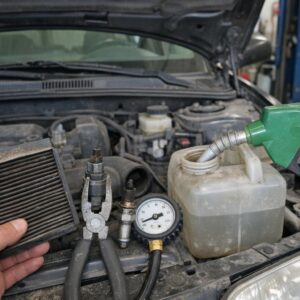
- A/C system condition: Low refrigerant, a clogged cabin air filter, or a weak condenser fan can make the system work harder.
A useful way to monitor this is with an OBD2 scanner such as BlueDriver, which can show engine load, idle changes, and diagnostic trouble codes related to the climate control system. If fuel economy drops sharply when using A/C, a professional car A/C service or refrigerant pressure check may cost less than the extra fuel wasted over time.
One practical habit is to vent hot air first by opening the windows for a minute before turning on the A/C. Then use recirculation mode once the cabin starts cooling, because chilling already-cooled interior air is easier on the compressor and better for fuel efficiency.
When to Use AC vs. Open Windows for Better Fuel Economy
For city driving, open windows usually make more sense because aerodynamic drag is low at slower speeds. If you are driving through town, waiting in school pickup lines, or moving under about 40 mph, turning off the AC can reduce engine load and help with fuel economy, especially in older cars or small-engine vehicles.
On highways, the answer often changes. Open windows create drag, and at higher speeds that drag can make the engine work harder than running the air conditioning. A real-world example: on a 65 mph commute, a driver may notice better mileage with the windows up and AC set to a moderate temperature than with two windows fully open.
- Use open windows: short city trips, mild weather, low-speed driving, or when the cabin is already cool.
- Use AC: highway driving, humid weather, heavy traffic fumes, or when windshield defogging is needed.
- Use recirculation mode: after the cabin cools down, because it reduces the cooling workload and can lower fuel consumption.
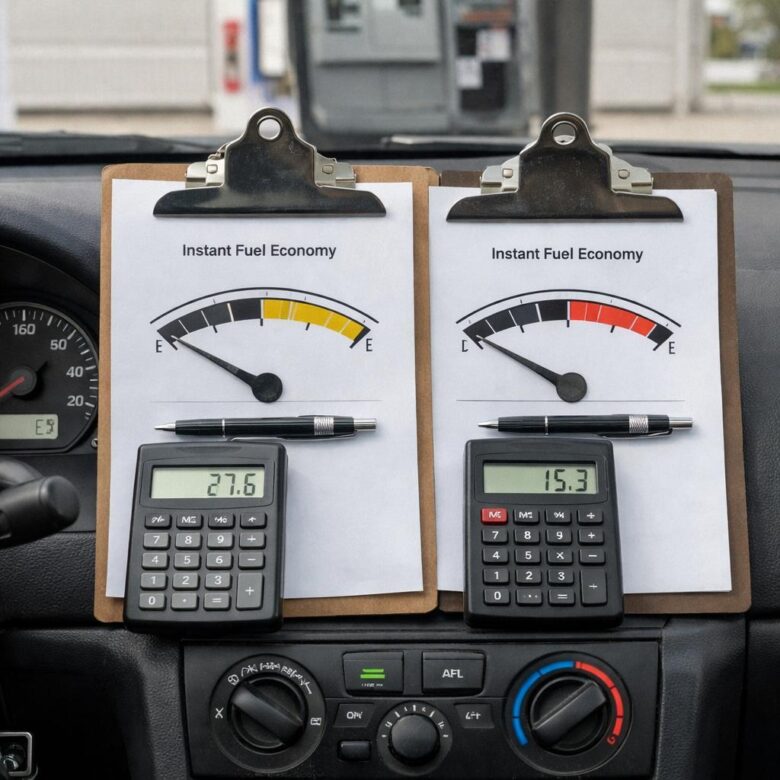
For a more accurate answer in your own vehicle, track fuel use with Fuelly or check live engine load using a basic OBD2 scanner. This is useful because fuel costs, AC efficiency, tire pressure, and vehicle maintenance condition all affect the result. If your AC has to run at maximum constantly, it may need a cabin air filter replacement or air conditioning service, which can improve comfort and reduce unnecessary fuel waste.
Fuel-Saving AC Habits That Reduce Waste Without Sacrificing Comfort
Use the AC strategically instead of leaving it on full blast by default. On hot days, open the windows for the first minute to push out trapped cabin heat, then switch to recirculation mode once the AC starts cooling; this reduces the workload on the compressor and helps lower fuel consumption.
A practical habit is to set the temperature to a comfortable level rather than the coldest setting. In real driving, I’ve seen commuters waste fuel by running maximum cooling during short city trips, only to arrive before the cabin stabilizes. A moderate setting with medium fan speed usually feels just as comfortable and is easier on the vehicle’s air conditioning system.
- Park in shade or use a windshield sunshade to reduce cabin heat before startup.
- Use recirculation mode after the first few minutes, especially in traffic or extreme heat.
- Check the cabin air filter; a clogged filter makes the blower work harder and reduces cooling efficiency.
For better insight, use an OBD-II scanner or an app like OBDLink to monitor engine load, idle behavior, and fuel economy while the AC is running. This is especially useful for rideshare drivers, delivery vehicles, and anyone comparing fuel cost before and after AC service, refrigerant recharge, or compressor repair.
Also avoid idling with the AC on for long periods. If you’re waiting more than a few minutes, parking in shade and restarting when needed is often more efficient than burning fuel continuously just to cool an empty or lightly occupied car.
Final Thoughts on How Air Conditioning Affects Fuel Consumption
Air conditioning does increase fuel consumption, but it should be managed-not avoided entirely. The smartest approach is to use AC when it improves comfort, safety, and visibility, especially in hot weather or during window fogging.
For better efficiency, cool the cabin briefly, use recirculation mode, avoid setting the temperature too low, and reduce heat buildup by parking in shade when possible. At lower speeds, opening windows may be reasonable; at highway speeds, AC is often the better choice due to reduced drag. The practical decision is simple: use AC thoughtfully, maintain the system well, and balance comfort with fuel economy.