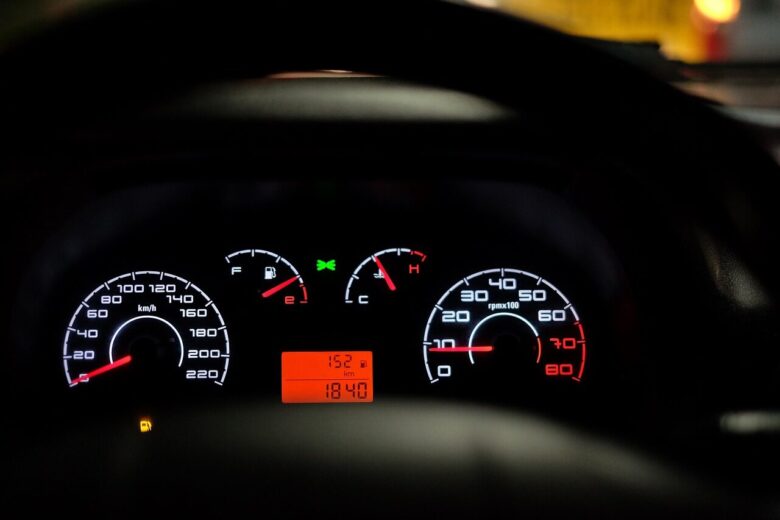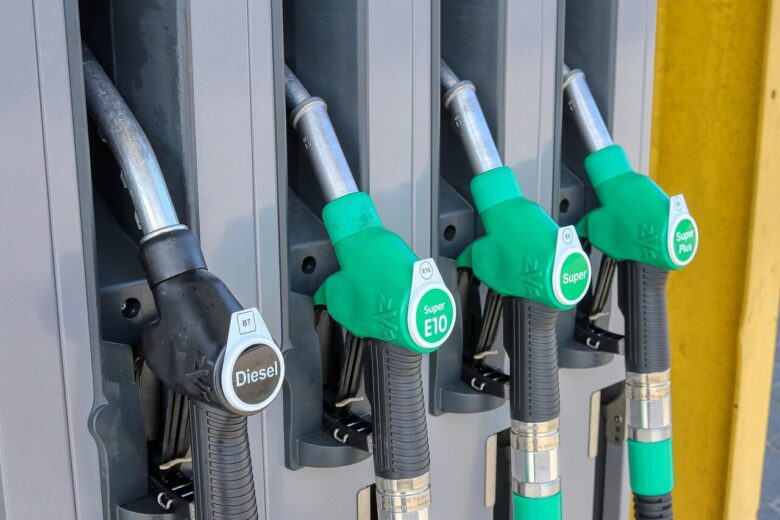
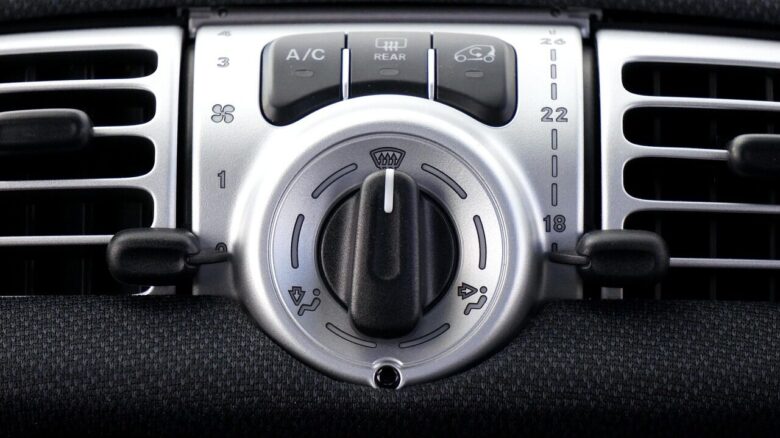
Understand how vehicle type, temperature, humidity, speed, traffic, cabin heat, and climate-system design can change air-conditioning energy demandโand why tracking your own driving pattern is more useful than relying on one universal fuel-consumption percentage.
Compare recent fuel use with your own baseline, then review driving conditions, tires, maintenance, warning signs, vehicle loads, weather, and possible mechanical faults. A consistent fill-up record helps separate a real change from normal variation.
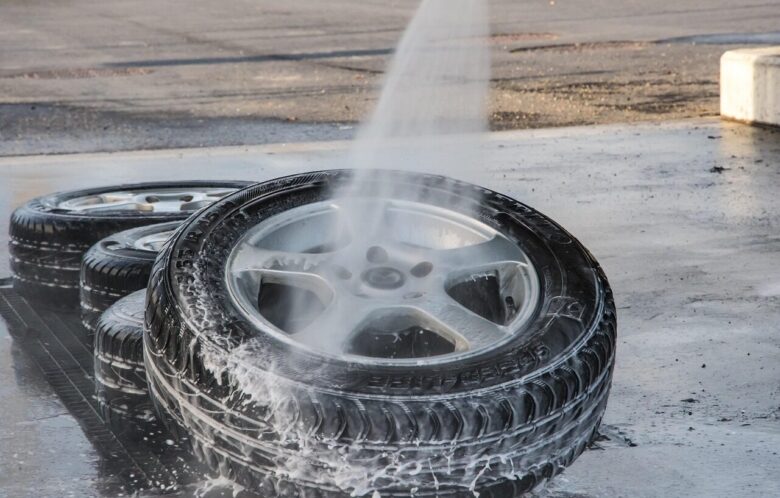
Use the vehicle manufacturerโs placard and owner documentation as the starting point for cold tire pressure. Avoid generic extra-PSI rules for load, towing, or sustained speed because requirements vary by vehicle, tire, and operating condition.
Test a focused set of route-planning, idling and smooth-driving habits against your normal fuel-use baseline. A seven-day log helps identify measurable improvements for your vehicle without promising that every driver will achieve the same result.
Audit tire pressure, maintenance status, unnecessary load, aerodynamics, driving patterns, and operating conditions to identify practical efficiency opportunities. This vehicle-first review uses manufacturer information and measured trends rather than promising a universal fuel-economy gain.