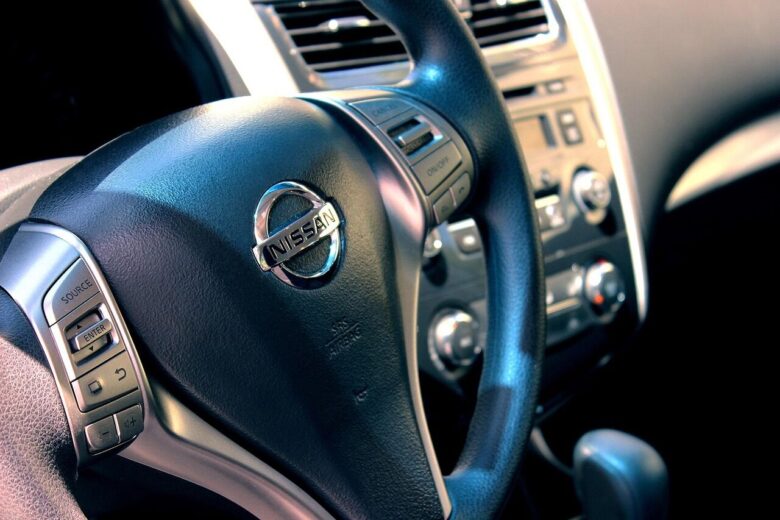

Use the speed range, braking behavior, road surface, tire condition, and recent service history to narrow possible sources of steering-wheel vibration. This guide covers safe checks, professional inspection points, and warning signs that should keep the car off the highway.

Cars Cola Coins Editorial Team
The Cars Cola Coins Editorial Team publishes practical, beginner-friendly content about car maintenance, fuel efficiency, road safety, vehicle ownership, and everyday automotive decisions. Our guides are prepared for general educational purposes, with a focus on clear explanations, realistic maintenance practices, and accessible information for drivers with different experience levels. The content does not replace vehicle inspection, diagnosis, or repair by a qualified automotive professional.
Understand how vehicle type, temperature, humidity, speed, traffic, cabin heat, and climate-system design can change air-conditioning energy demandโand why tracking your own driving pattern is more useful than relying on one universal fuel-consumption percentage.
Adapt your driving to visibility, standing water, tire condition, surrounding traffic, road design, and local rules. Let changing conditionsโnot a universal speed reduction or fixed following-distance countโdetermine when to slow down, reroute, or stop.
Compare recent fuel use with your own baseline, then review driving conditions, tires, maintenance, warning signs, vehicle loads, weather, and possible mechanical faults. A consistent fill-up record helps separate a real change from normal variation.
Use the vehicle manufacturerโs placard and owner documentation as the starting point for cold tire pressure. Avoid generic extra-PSI rules for load, towing, or sustained speed because requirements vary by vehicle, tire, and operating condition.
Slow cranking, clicking, dim or erratic electronics, and repeat no-starts can have several causes. Use battery age, terminal condition, charging-system checks, and proper testing to decide whether the battery, connections, charging system, or an electrical draw needs attention.
Use a safety-first breakdown plan that adapts to traffic, road type, weather, local law, vehicle position, passenger needs, and available assistance. Learn when to remain inside, move away, contact emergency services, or wait for qualified roadside help.
Test a focused set of route-planning, idling and smooth-driving habits against your normal fuel-use baseline. A seven-day log helps identify measurable improvements for your vehicle without promising that every driver will achieve the same result.
New drivers: scan far ahead, keep a safe following distance, obey speed limits, signal early, avoid distractions, and assume others may make mistakes.
Review driving habits that may increase wear on brakes, tires, clutch components, suspension, transmission, and the engine, with a practical audit of warning signs, low-risk checks, and vehicle-specific manufacturer guidance.