What if the most expensive car repair you’ll ever face starts with something you could have checked in 60 seconds?
Car maintenance can feel intimidating when you’re new to it, but the basics are simpler than most drivers think. A few quick checks can help prevent breakdowns, improve safety, and save you money.
This beginner car maintenance checklist covers the essential tasks every driver should know, from fluids and tires to lights, brakes, and battery care.
Use it as a practical routine to keep your car reliable, catch problems early, and feel more confident every time you get behind the wheel.
Car Maintenance Basics: What Every Beginner Driver Should Check and Why
Beginner drivers do not need to become mechanics, but they should know the simple checks that prevent expensive auto repair bills. A five-minute inspection before a long drive can catch low tire pressure, leaking fluids, or worn wiper blades before they turn into roadside assistance calls.
Start with the basics: engine oil, coolant, brake fluid, tires, lights, and windshield wipers. For example, if your tire pressure is 8-10 PSI below the recommended level, the car may feel sluggish, use more fuel, and wear the tires unevenly, which increases replacement cost.
- Tire pressure gauge: Check PSI monthly and before highway trips.
- OBD2 scanner: A tool like BlueDriver can read check engine light codes before you visit a repair shop.
- Microfiber cloth and washer fluid: Keep mirrors, windshield, and headlights clear for safer visibility.
One real-world habit that helps: check under the parked car after it has been sitting overnight. A small puddle near the front could be condensation from the air conditioner, but oily, green, pink, or brown fluid may point to an engine oil leak, coolant leak, or transmission service issue.
Also listen while driving. Squealing brakes, vibration at higher speeds, or a burning smell are not “normal car noises.” Catching these early can lower maintenance cost, protect your vehicle warranty, and reduce the chance of needing emergency towing or major brake service later.
Step-by-Step Beginner Car Maintenance Checklist for Monthly and Seasonal Care
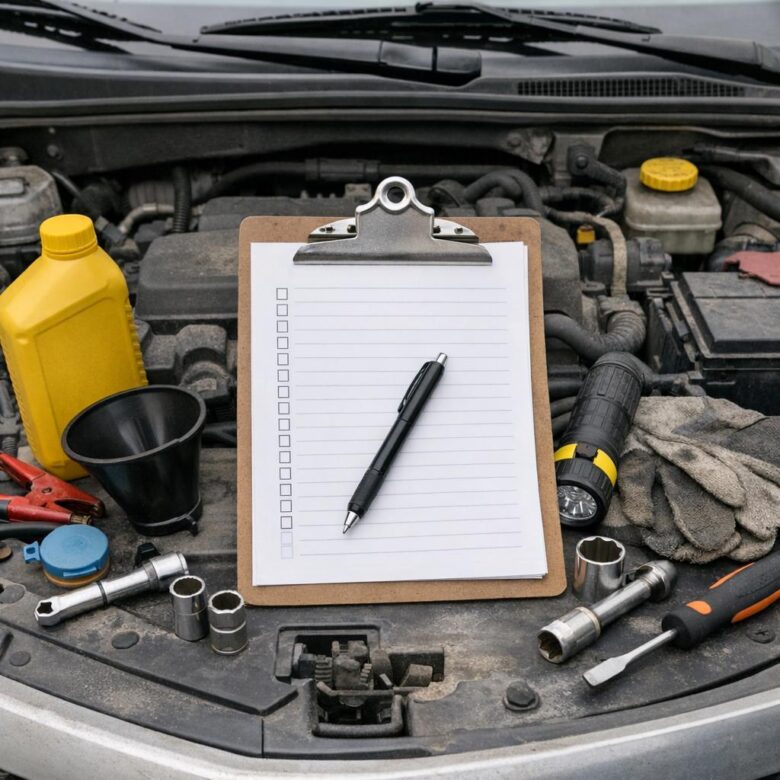
Set a phone reminder for the first weekend of each month and treat this as a quick car maintenance checklist, not a full repair session. Start with tire pressure using a digital tire pressure gauge, then inspect tread depth, sidewall cracks, and uneven wear. Low tire pressure can increase fuel cost and may also trigger premature tire replacement.
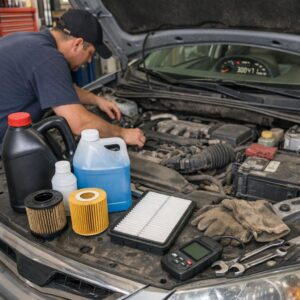
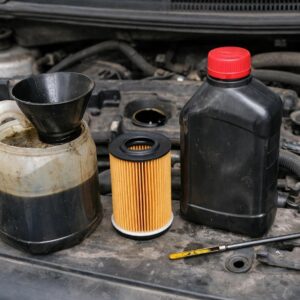
Next, check engine oil, coolant, brake fluid, windshield washer fluid, and visible leaks under the car. If your oil looks very dark, smells burnt, or the level keeps dropping, book an oil change service or auto repair inspection instead of guessing. A beginner-friendly device like FIXD OBD2 Scanner can also read basic check engine light codes before you visit a mechanic.
- Monthly: Check lights, wipers, tire pressure, fluid levels, battery terminals, and dashboard warning lights.
- Before summer: Test the air conditioning, inspect coolant level, check belts, and keep an emergency kit with water and a tire inflator.
- Before winter: Test the battery, replace weak wiper blades, top up winter washer fluid, and inspect tires for safe traction.
A real-world example: if your car cranks slowly on cold mornings, do not wait until it fails in a parking lot. Most auto parts stores and repair shops offer battery testing, and replacing a weak battery early is usually cheaper than paying for roadside assistance or towing.
Keep receipts for maintenance services, repairs, tires, and inspections. This helps with resale value, warranty claims, and comparing future auto repair cost estimates more confidently.
Common Car Maintenance Mistakes New Drivers Should Avoid to Prevent Costly Repairs
One of the biggest mistakes new drivers make is waiting for a warning light before checking basic fluids. Engine oil, coolant, brake fluid, and transmission fluid all affect major repair costs, and ignoring a small leak can turn into an expensive engine repair or roadside assistance call.
Another common issue is using the wrong tire pressure because the number on the tire sidewall looks official. Always use the PSI listed on the driver’s door sticker, and check it with a reliable digital tire pressure gauge or a portable inflator like AstroAI. Underinflated tires wear faster, reduce fuel economy, and can make emergency braking less stable.
- Skipping oil changes: Follow the service interval in your owner’s manual, especially if you drive in traffic, heat, or short city trips.
- Ignoring brake noise: Squealing or grinding can mean worn pads, and delaying service may damage rotors too.
- Using cheap parts blindly: Budget parts are not always bad, but brakes, filters, and batteries should match your vehicle’s requirements.
A real-world example: a driver who keeps topping up coolant every week instead of checking for a leak may eventually face overheating, towing fees, and a much higher mechanic bill. A quick pressure test at an auto repair shop could catch the problem early.
Also avoid neglecting maintenance records. Keeping receipts, service dates, and mileage notes in an app or folder helps with warranty claims, resale value, and accurate car maintenance planning.
The Bottom Line on Beginner Car Maintenance Checklist Every Driver Needs
Good car care starts with consistency, not expertise. A beginner checklist helps you notice small issues before they become expensive repairs or safety risks. Set a simple monthly reminder, keep basic supplies in your trunk, and record maintenance dates so you know what was done and when.
If something feels unusual-new noises, warning lights, fluid leaks, vibration, or poor braking-do not guess. Handle simple checks yourself, but let a qualified mechanic diagnose problems that affect safety or reliability. The smartest decision is to stay proactive: a few minutes of routine attention can protect your car, your budget, and everyone on the road.