By Cars Cola Coins Editorial Team
Air conditioning can increase the energy a vehicle needs, but there is no single fuel-consumption percentage that applies to every car or journey. The result depends on the climate-control design, cabin temperature, humidity, vehicle type, speed, traffic, and how the system is controlled.
Air Conditioning Adds Load, but the Effect Is Not Fixed
An air-conditioning system uses energy to compress and circulate refrigerant, move air through the cabin, and operate its electronic controls. In many conventional vehicles, the engine drives the compressor mechanically. Other vehicles use electrically driven compressors, including many hybrids and electric vehicles.
That additional demand can increase fuel use in a gasoline or diesel vehicle. However, compressor operation is not necessarily constant. Depending on the design, the system may cycle, vary compressor output, adjust fan speed, or automatically combine outside and recirculated air. Some vehicles may also keep the engine running to support cabin cooling when an automatic stop-start system would otherwise shut it off.
The relative effect can appear larger when the vehicle is already using little fuel, such as during low-load operation, and smaller when propulsion requires much more energy. That does not create a universal percentage: two vehicles on the same road can respond differently because their cabins, powertrains, compressors, controls, and operating conditions differ.
What Changes the Fuel-Use Impact
The climate-control setting is only one part of the calculation. The conditions the system must overcome are equally important.
| Variable | Why it matters | Practical response |
|---|---|---|
| Outside temperature and sunlight | A sun-heated cabin and hot interior surfaces create a larger initial cooling demand. | When safe, release trapped heat before asking the system to cool the cabin. |
| Humidity | The system may need energy to remove moisture as well as lower air temperature. | Choose a comfortable setting rather than judging demand by temperature alone. |
| Vehicle and system design | Cabin size, glass area, insulation, compressor type, and control programming affect operation. | Use the climate-control instructions in the owner’s manual. |
| Trip length | Initial cabin cooling can represent a larger share of a short journey than a long one. | Ventilate a very hot cabin first when conditions permit. |
| Traffic and idling | Cooling demand continues when little or no distance is being covered. | Avoid unnecessary idling, subject to local rules and immediate safety needs. |
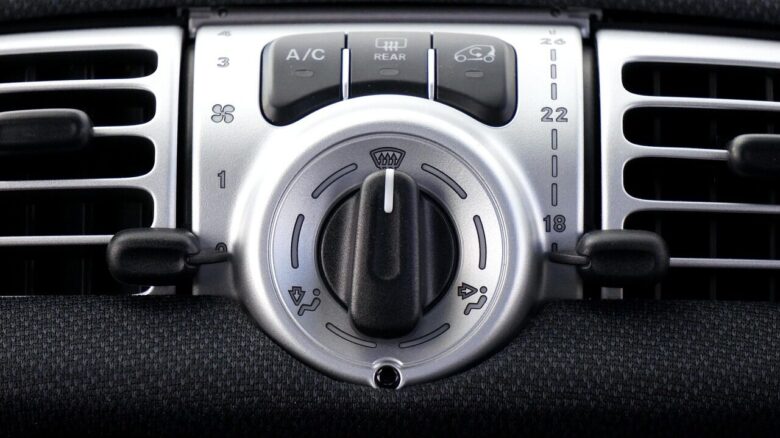
| Temperature and fan settings | Automatic and manual systems respond differently; fan speed alone does not reveal compressor load. | Set a comfortable target and allow an automatic system to manage itself unless the manual advises otherwise. |
| System condition | Poor airflow or abnormal cooling can change how long the system operates, although the symptom does not identify one specific fault. | Check simple items such as a user-serviceable cabin filter; have persistent problems assessed professionally. |
Recirculation can reduce the amount of hot, humid outside air entering the cabin after the interior begins to cool. Its operation varies by vehicle, however, and some systems change intake mode automatically. Outside-air or defog settings may be needed to maintain clear windows and suitable cabin air quality. Visibility takes priority over a small possible change in energy use.
Weak cooling, unusual noises, odors, intermittent operation, or poor airflow are possible signs of several different issues rather than diagnoses. A cabin filter may be a low-risk owner check if the manual identifies it as user-serviceable. Refrigerant work, leak repairs, electrical testing, compressor concerns, and inspection near moving belts or fans should be handled by a qualified professional. Refrigerant handling requirements can also vary by jurisdiction.
City Driving and Highway Driving Create Different Trade-Offs
In urban traffic, frequent stops, low average speed, and idling can make air-conditioning energy more noticeable in fuel used per distance traveled. Climate demand may also affect whether a stop-start system switches off the engine. Hybrid control systems may start the engine when needed to support cooling or battery state, depending on their design.
At higher road speeds, propulsion usually requires more energy to overcome aerodynamic resistance. The climate-control load may therefore represent a different share of total consumption. Opening windows can also disturb airflow and add drag, but there is no reliable universal speed at which open windows become less efficient than air conditioning. Body shape, window position, wind, speed, and cooling demand all influence the comparison.
Comfort and safety remain part of the decision. Excessive heat can affect concentration, while open windows may introduce noise, exhaust, dust, rain, or security concerns. Use the option that preserves visibility and driver comfort rather than trying to follow a fixed speed threshold.
Windows, Ventilation, and Cabin Heat Are Part of the Same Decision
A vehicle parked in direct sunlight may contain hot air and heat-soaked seats, trim, glass, and other surfaces. If it is safe to do so, briefly opening doors or windows before departure can release some trapped heat. Ventilating while initially moving may also help, but windows should be closed whenever weather, road conditions, security, noise, or occupant safety make that necessary.
- Use shade or a suitable sunshade where permitted and safe.
- Release trapped hot air before cooling when practical.
- After the cabin begins to cool, recirculation may reduce incoming heat and humidity if appropriate for the conditions.
- Use the vehicle’s defog or defrost setting whenever glass begins to mist, even if it requires compressor operation or outside air.
- Follow the owner’s manual because automatic climate systems may manage the compressor, airflow, and recirculation more effectively than repeated manual changes.
Never leave a child, vulnerable person, or animal unattended in a parked vehicle. A running climate-control system is not a dependable safeguard against shutdown, mechanical failure, depleted fuel or battery charge, or changing conditions. If someone is in immediate danger, contact emergency services and follow local authority guidance.
Hybrid and Electric Vehicles Need Different Context
Many hybrids use an electric air-conditioning compressor, although system designs vary. Cabin cooling can draw energy from the traction battery and may influence when the combustion engine runs or how long electric-only operation remains available. The result should not be described as a fixed fuel penalty because it depends on battery state, hybrid strategy, temperature, and journey type.
In a battery-electric vehicle, air conditioning does not consume liquid fuel, but it does use stored electrical energy and can affect available driving range. The range estimate shown by the vehicle may change when climate control is selected because it is responding to expected energy demand and recent conditions.
Some electrified vehicles support scheduled or remote cabin preconditioning. When the vehicle is connected to suitable charging equipment, this feature may reduce the amount of battery energy needed for the initial cabin temperature change after departure. Availability and operation are vehicle-specific, so consult the owner’s manual and charging guidance.
Heating and cooling also work differently across electrified vehicles. Some use heat pumps, resistive heaters, engine heat, or combinations of these systems. For that reason, comparisons between gasoline vehicles, hybrids, plug-in hybrids, and electric vehicles should identify the powertrain and operating mode.
Measure Your Own Pattern Instead of Relying on One Percentage
A single trip is rarely enough to isolate air-conditioning fuel use. Traffic, wind, rain, route changes, tire condition, passenger or cargo load, driving style, warm-up time, fuel blend, and refueling variation can be as important as the climate setting.
For a more useful comparison, record several similar journeys or complete fuel tanks under broadly comparable conditions. Note outside temperature, humidity if available, route, traffic, average speed, trip length, climate settings, and unusual delays. Do not enter data or adjust controls while driving; make notes only when safely parked.
- Use consistent units: Compare fuel used per distance or distance traveled per unit of fuel without mixing the two.
- Look for a repeated pattern: One unusually good or poor trip may reflect traffic or weather rather than air conditioning.
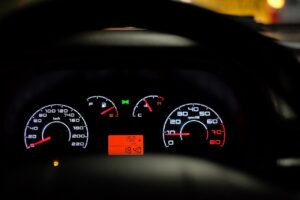
- Treat dashboard figures as estimates: Trip computers are useful for trends but may not exactly match fuel dispensed.
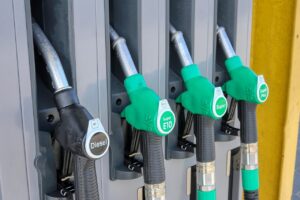
- Use safe refueling practice: Follow the vehicle and fuel-station instructions, and do not continue filling after the pump’s normal automatic shutoff.
- Avoid forced comparisons: Do not tolerate unsafe heat, poor visibility, fatigue, or distraction merely to complete a test.
The most defensible takeaway is not a universal percentage. Air conditioning adds an energy demand, but its real effect changes with the vehicle, weather, system design, cabin condition, traffic, speed, and measurement method. A repeatable record of your normal use is more informative than applying a broad claim to every journey.

The Cars Cola Coins Editorial Team publishes practical, beginner-friendly content about car maintenance, fuel efficiency, road safety, vehicle ownership, and everyday automotive decisions. Our guides are prepared for general educational purposes, with a focus on clear explanations, realistic maintenance practices, and accessible information for drivers with different experience levels. The content does not replace vehicle inspection, diagnosis, or repair by a qualified automotive professional.