By Cars Cola Coins Editorial Team
A lower dashboard economy reading does not automatically mean a component has failed. Fuel use can change because of trip length, traffic, weather, vehicle load, tire pressure, measurement differences, maintenance needs, or a developing mechanical fault. The most useful approach is to confirm the change and then work from low-risk observations toward professional diagnosis.
Confirm That Fuel Use Really Changed
Compare the vehicle with its own recent history before comparing it with another driver’s results or a published rating. Different routes, speeds, climates, loads, and traffic patterns can produce very different numbers even when the vehicle is operating normally.
Build a consistent baseline
- Record the odometer or reset a trip meter after filling the tank.
- At the next fill, record the distance driven and the amount of fuel added.
- For miles per gallon, divide distance by fuel volume. For litres per 100 kilometres, divide fuel volume by distance and multiply by 100.
- Repeat the process across multiple normal fill-ups rather than judging one short trip or one dashboard reading.
- Note unusual conditions such as towing, roof cargo, prolonged idling, severe congestion, short cold-weather trips, or a change in the usual driver.
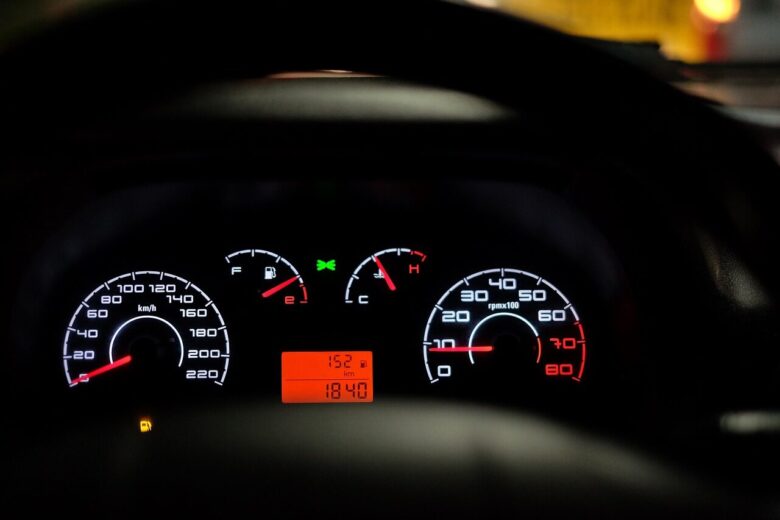
A single fill can be misleading because pump shutoff points, parking angle, partial fills, and recording errors affect the calculation. Onboard economy displays are useful for trends, but a consistent fuel-and-distance log provides a separate reference. Plug-in hybrids also require charging and electric-distance records if their total energy use is being compared.
Check whether anything changed in the measurement itself. A different tire size, an odometer issue, a reset trip computer, remote starting, or another person filling the vehicle differently can make an apparent decline difficult to compare with the earlier baseline.
Higher-Fuel-Use Diagnostic Matrix
Use the matrix to choose the next step. The entries are possible explanations, not diagnoses.
| What changed? | Low-risk check | Possible explanations | Next priority |
|---|---|---|---|
| Only the dashboard reading changed | Compare it with a manual fill-up record and confirm whether the display was reset | Shorter averaging period, more idling, different route, or display variation | Collect more comparable records before replacing parts |
| Fuel use rose after colder or hotter weather arrived | Note trip length, warm-up time, climate-control use, road conditions, and tire pressure | Longer warm-up, short trips, seasonal fuel changes, climate-control load, or lower tire pressure | Compare with similar seasonal driving |
| The vehicle now carries or pulls more | Remove unnecessary cargo and review towing or load requirements in the owner’s manual | Added mass, aerodynamic drag, roof equipment, trailer use, or changed speed | Return to a comparable load before assessing a fault |
| Steering pulls or tire wear looks uneven | Inspect tire condition and verify pressures against the vehicle placard | Pressure difference, alignment issue, tire damage, or brake drag | Arrange a tire, steering, alignment, or brake inspection as appropriate |
| Rough idle, hesitation, hard starting, or reduced power appeared | Record when the symptom occurs and check for warning lights | Ignition, air-metering, fuel-delivery, sensor, intake, exhaust, or mechanical issues | Seek qualified diagnosis rather than selecting a part from the symptom alone |
| A warning light appeared | Read the owner’s manual and note whether the light is steady or flashing | Emissions-control, engine-management, fuel-system, or other monitored fault | Follow the manufacturer’s warning guidance and obtain diagnostic service |
| Fuel smell, visible leakage, smoke, overheating, or a burning odor appeared | Do not touch hot parts or investigate near flames or ignition sources | Fuel, exhaust, cooling, electrical, brake, or oil-related fault | Stop when safe and use professional, roadside, or emergency help according to the immediate risk |
Driving Conditions Can Change the Baseline Without a Fault
Fuel use reflects the work the vehicle is being asked to do. A change may be normal if the recent driving environment is not comparable with the earlier record.
- Short trips: An engine may spend more of each journey warming up, particularly in cold conditions.
- Congestion and idling: Fuel can be consumed while little or no distance is added to the calculation.
- Repeated acceleration and braking: Stop-and-go traffic or abrupt inputs generally require more energy than smooth, steady travel.
- Higher road speed: Aerodynamic resistance rises as speed increases. Drivers should choose speeds that are safe, lawful, and suitable for local conditions.
- Weather and road surface: Cold starts, strong winds, rain, snow, soft surfaces, and winter traffic can all alter the baseline.
- Heating and cooling demands: Climate-control operation can place additional demand on some vehicles, while defrosting may automatically operate other systems.
- Cargo, trailers, and exterior accessories: Added weight and aerodynamic drag can raise the energy needed to move the vehicle.
Do not remove safety equipment or carry a load improperly in an attempt to reduce fuel use. Follow the vehicle manufacturer’s instructions for occupants, cargo, roof equipment, towing, tire pressure under load, and maximum capacities. Towing and road rules vary by vehicle and jurisdiction.
Tires and Maintenance Are Checks, Not Automatic Diagnoses
Tires and scheduled maintenance are reasonable places to look, but finding an overdue item does not prove that it caused the change. Correct known issues, document what was done, and then compare the next set of similar trips.
Tire checks a driver can usually perform
- When the vehicle is safely parked and the tires are cold, compare each pressure with the vehicle placard or owner’s manual. Do not use the tire sidewall figure as the vehicle’s normal target pressure.
- Inspect for visible cuts, bulges, embedded objects, unusual wear, or a tire that repeatedly loses pressure.
- Check the spare tire when applicable, following the vehicle documentation.
- Do not assume that the absence of a tire-pressure warning confirms that every tire is at its specified pressure.
A damaged tire, repeated pressure loss, vibration, or handling change needs prompt assessment by a qualified tire professional. Do not crawl under a vehicle or attempt roadside tire work where traffic, unstable ground, poor visibility, or personal safety makes the task unsafe. Use roadside assistance when appropriate.
Maintenance items to verify
- Engine oil: Confirm that the oil type, viscosity, level-check procedure, and change schedule match the owner’s manual or manufacturer service information.
- Air filter: Check its condition and replacement guidance. A restricted filter can affect performance, but its effect on fuel use depends on the engine-management system and operating conditions.
- Spark plugs and ignition components: Use the vehicle-specific service schedule. Rough running or misfire symptoms require diagnosis because plugs, coils, wiring, injectors, air leaks, and mechanical problems can produce similar symptoms.
- Wheel alignment: Pulling, an off-centre steering wheel, or uneven wear can justify an inspection, although tire condition, road slope, suspension, and brakes can also affect how the vehicle tracks.
- Fluids and filters: Use only the specifications and procedures identified for the vehicle. A generic product or interval may not be suitable.
Avoid replacing sensors, injectors, spark plugs, or other components solely because they appear on a list of common causes. Diagnostic trouble codes and symptoms identify an affected system or operating condition; they do not always identify the failed part.
Warning Lights and New Symptoms Change the Priority
A gradual change without other symptoms can usually begin with records and low-risk checks. A warning light, fuel odor, visible leak, smoke, overheating, severe vibration, loss of power, or new braking behavior makes safety and diagnosis the priority.
- Engine warning light: Check the owner’s manual for the meaning of a steady or flashing indication. A flashing light or severe rough running may indicate a condition that can cause further damage. Reduce risk, stop when safe if directed, and arrange qualified assistance.
- Fuel smell or visible fuel: Stop in a safe location, switch off the vehicle if it is safe to do so, keep flames and ignition sources away, and move occupants away from danger. Contact roadside assistance or emergency services according to the immediate risk and local guidance.
- Burning smell or unusually hot wheel area: Do not touch the wheel or brake components. Possible brake drag, bearing trouble, tire damage, or another heat source requires inspection.
- Exhaust smell in the cabin: Treat it as a safety concern. Move to fresh air and stop using the vehicle until the source is assessed. If anyone feels unwell, seek emergency medical help.
- Temperature, oil-pressure, brake, or other critical warning: Follow the vehicle manual immediately. Continuing to drive may be unsafe or may worsen damage.
Possible technical causes of higher fuel use include incorrect sensor information, ignition misfire, fuel-delivery problems, intake or exhaust restrictions, a cooling system that does not reach its intended operating condition, internal mechanical faults, transmission problems, or brakes that do not release correctly. Because these possibilities overlap, scan data, testing, and vehicle-specific service information are more reliable than guessing from one symptom.
Create a Before-and-After Record Before Replacing Parts
A short record helps distinguish normal variation from a repeatable problem and gives a qualified professional better information if diagnosis becomes necessary.
Record these details
- Date, odometer reading, distance driven, fuel added, and calculated fuel use
- Approximate mix of urban, highway, short-trip, and idling operation
- Weather, traffic, vehicle load, towing, and roof-mounted equipment
- Tire pressures measured according to the vehicle guidance
- Warning lights, stored messages, noises, odors, smoke, rough running, or power changes
- Recent service, tire replacement, battery disconnection, repairs, fuel changes, or accessory installation
Where practical, change one low-risk variable at a time and compare similar journeys. For example, correct tire pressures to the vehicle specification, remove unnecessary exterior cargo, or return to the normal route before evaluating the next record. Do not delay attention to a safety warning merely to complete a fuel-use test.
If professional diagnosis is needed, provide the records and describe whether the change was sudden or gradual. Avoid clearing fault codes or disconnecting the battery beforehand unless the vehicle manufacturer or a qualified professional directs you to do so, because stored information may help identify the operating conditions present when the fault occurred.
The goal is not to assign one universal cause. It is to verify the measurement, compare like with like, complete safe vehicle-specific checks, and escalate promptly when warning signs or persistent symptoms point beyond normal driving variation.

The Cars Cola Coins Editorial Team publishes practical, beginner-friendly content about car maintenance, fuel efficiency, road safety, vehicle ownership, and everyday automotive decisions. Our guides are prepared for general educational purposes, with a focus on clear explanations, realistic maintenance practices, and accessible information for drivers with different experience levels. The content does not replace vehicle inspection, diagnosis, or repair by a qualified automotive professional.