What if the most dangerous part of your rainy drive happens before you even realize you’re losing control?
Heavy rain can turn familiar roads into low-visibility, low-traction hazards within minutes. Puddles hide potholes, tires lose grip, and braking distances stretch farther than many drivers expect.
Safe driving in heavy rain isn’t about being fearless-it’s about making smarter decisions earlier. Slowing down, increasing following distance, using lights correctly, and knowing how to react to hydroplaning can prevent a bad-weather drive from becoming an emergency.
This guide explains the practical steps every driver should use when rain gets intense, traffic slows, and road conditions become unpredictable.
Why Heavy Rain Makes Driving More Dangerous: Visibility, Traction, and Stopping Distance
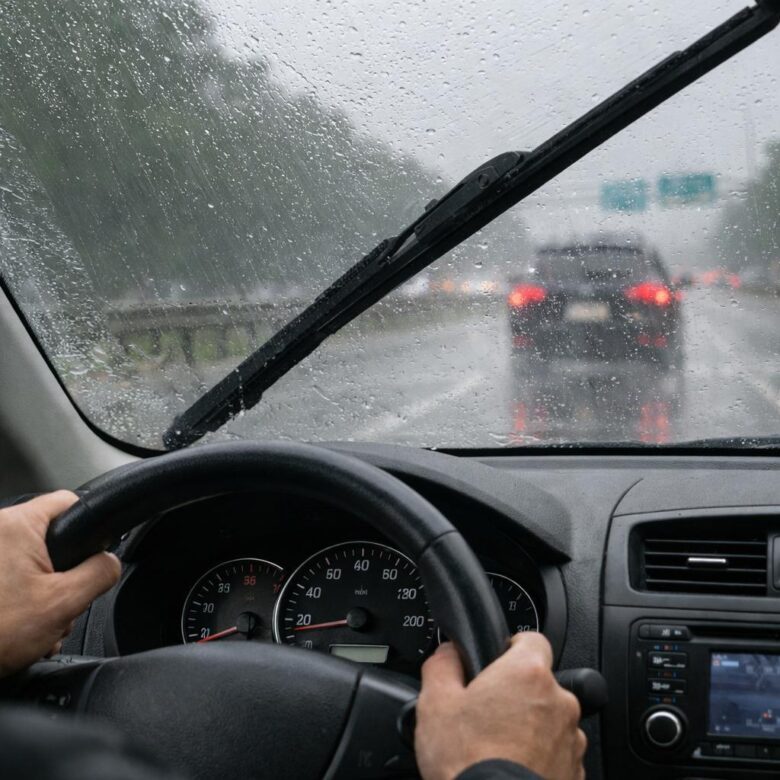
Heavy rain creates risk in three ways at once: you see less, your tires grip less, and your vehicle needs more distance to stop. Even with good headlights, water on the windshield, spray from trucks, and reflections from road markings can hide lane lines, pedestrians, brake lights, or standing water until you are already close.
Traction is the bigger issue many drivers underestimate. When tire tread cannot push water away fast enough, the tires can ride on top of the water instead of the pavement, which is hydroplaning. I have seen this happen most often at highway speeds in the right lane where water collects near worn pavement or drainage dips.
- Check tire tread depth before rainy seasons; worn tires increase stopping distance and may raise tire replacement cost after an avoidable skid.
- Use navigation apps like Google Maps to avoid flooded roads, crash delays, and low-lying routes during severe weather.
- Replace weak windshield wipers early; poor visibility can make even advanced driver assistance systems less reliable.
Stopping distance also increases because wet brakes and slick pavement reduce control. For example, if traffic suddenly slows near an exit ramp, following too closely can turn a normal brake check into a rear-end accident, insurance claim, towing bill, or roadside assistance call.
The practical move is simple: slow down before conditions force you to. Leave extra space, avoid sharp steering, and treat puddles as unknown hazards because they may hide potholes, debris, or water deep enough to damage the engine.
How to Drive Safely in Heavy Rain: Speed, Braking, Headlights, and Following Distance
In heavy rain, the safest speed is often well below the posted limit, especially when water is pooling or spray from trucks reduces visibility. If your tires start to feel light or the steering becomes vague, ease off the accelerator smoothly-do not slam the brakes-because that may be the first sign of hydroplaning. A good real-world habit is to check traffic and flood reports on Waze before and during a trip, especially on highways, bridges, and low-lying roads.
Use low-beam headlights, not high beams, because high beams reflect off rain and make visibility worse. If your vehicle has automatic headlights, confirm they are actually on; many daytime running lights do not activate rear lights, which makes your car harder to see from behind. This is also where quality windshield wipers, proper tire tread depth, and a working tire pressure monitoring system can make a major safety difference.
- Following distance: Leave at least 5-6 seconds behind the vehicle ahead, more if you are behind a truck or motorcycle.
- Braking: Brake earlier and more gently than usual to avoid skidding and to give drivers behind you time to react.
- Lane choice: Stay out of deep curbside water and avoid sudden lane changes over painted lines, which can be slick.
If visibility drops to the point where you cannot clearly see lane markings or brake lights ahead, pull into a safe parking area and wait it out. It is cheaper to delay a trip than deal with collision repair costs, car insurance claims, or emergency roadside assistance after a preventable crash.
Common Heavy-Rain Driving Mistakes to Avoid, Including Hydroplaning and Sudden Maneuvers
One of the biggest mistakes drivers make in heavy rain is treating wet roads like normal pavement. Speeding through standing water can cause hydroplaning, where your tires lose contact with the road and steering becomes almost useless. If this happens, ease off the accelerator, keep the wheel straight, and avoid slamming the brakes.
Sudden maneuvers are another common problem. Quick lane changes, hard braking, or sharp turns can overwhelm your tires, especially if tread depth is low or tire pressure is incorrect. A practical habit is to check tire pressure with a digital tire gauge before long trips and replace worn tires before storm season, not after the first scare.
- Don’t use cruise control in heavy rain, because it can keep applying power when your tires start slipping.
- Avoid following trucks too closely; spray from large vehicles can block your view in seconds.
- Don’t rely only on daytime running lights; turn on your headlights so other drivers can see you.
In real-world driving, many crashes happen when someone panics after hitting a puddle at highway speed, jerks the wheel, and slides into another lane. I’ve seen this most often on poorly drained freeway exits and low spots near construction zones. Before leaving, checking traffic and weather on Google Maps or a local weather radar app can help you avoid flooded roads, reduce accident risk, and potentially save money on towing, repairs, and auto insurance claims.
Wrapping Up: How to Drive Safely During Heavy Rain Insights
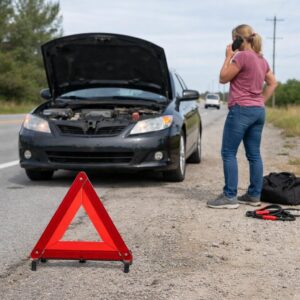
Heavy rain changes the rules of the road, and the safest choice is often the least hurried one. Slow down, increase space, stay visible, and avoid flooded areas-but also know when conditions are beyond safe driving. If visibility drops sharply, water begins pooling across lanes, or your vehicle feels unstable, pull over in a safe location and wait it out. Arriving late is always better than risking a crash, hydroplaning, or getting stranded in floodwater. The best decision in severe weather is not just how to drive, but whether to keep driving at all.