Major car repairs can cost thousands of dollars and leave you without transportation for days. Understanding which failures are most expensive and how preventive maintenance reduces their likelihood helps you protect your wallet and your vehicle.
What You Will Learn
- Which repairs commonly cost the most and why
- How routine maintenance prevents catastrophic failures
- Warning signs that indicate expensive problems developing
- When proactive replacement saves money over waiting for failure
- How to prioritize maintenance spending for maximum protection
1. Engine Replacement
Engine replacement is the single most expensive repair most vehicles will ever need. Costs range from four thousand dollars for a basic remanufactured engine in a common vehicle to over ten thousand dollars for complex engines in luxury or performance vehicles.
Engine failure typically results from oil starvation, overheating, or timing component failure. These root causes are almost always preventable with proper maintenance and attention to warning signs.
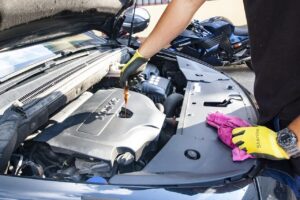
A thirty-dollar oil change every five thousand miles prevents engine wear that leads to four-thousand-dollar replacements. The math is simple and overwhelmingly favors prevention.
Prevention strategies:
- Change oil and filter at manufacturer-recommended intervals without exception
- Check oil level monthly and top off as needed
- Address overheating immediately; never drive with a temperature warning
- Replace timing belt or chain at the specified interval
- Use the correct oil grade and specification for your engine
2. Transmission Rebuild or Replacement
Automatic transmission repairs typically cost three thousand to five thousand dollars. Rebuilds require extensive labor to disassemble, inspect, and replace worn components. Replacements with remanufactured units cost even more.
Transmission failure usually develops from fluid degradation, overheating, or neglected maintenance. Modern transmissions are sealed units with no dipstick, making owner maintenance impossible and professional service essential.
| Transmission Type | Typical Repair Cost | Primary Prevention |
|---|---|---|
| Automatic | $3,000 to $5,000 | Fluid and filter service every 30,000 to 60,000 miles |
| CVT | $3,500 to $6,000 | Strict fluid changes; CVTs are particularly fluid-sensitive |
| Dual-clutch | $4,000 to $7,000 | Clutch and mechatronic unit service per manufacturer |
| Manual | $1,500 to $3,000 | Clutch replacement before complete failure |
3. Catalytic Converter Replacement
Catalytic converters fail from contamination, overheating, or physical damage. Replacement costs one thousand to two thousand five hundred dollars for most vehicles, with some luxury models exceeding four thousand dollars due to precious metal content and complex integration.
Converter failure is usually a symptom of another problem. Rich fuel mixtures from faulty oxygen sensors, ignition misfires, or coolant leaks poison the catalyst. Replacing the converter without fixing the underlying cause guarantees rapid failure of the new unit.
Prevention strategies:
- Address check engine lights promptly; misfires damage converters quickly
- Replace oxygen sensors at recommended intervals
- Fix coolant leaks before they reach the combustion chamber
- Use quality fuel from reputable stations
- Avoid extended idling that allows rich mixtures to accumulate
4. Head Gasket Failure
Head gasket replacement costs two thousand to three thousand five hundred dollars due to extensive labor required to disassemble the top of the engine. The gasket itself is inexpensive, but accessing it requires removing the cylinder head, intake, exhaust, and numerous accessories.
Head gaskets fail from overheating, improper torque during previous service, or material fatigue in high-mileage engines. Overheating is the most common preventable cause.
Warning: Never ignore a temperature gauge rising above normal. Overheating warps cylinder heads and compromises the seal between head and block. A fifty-dollar coolant hose or thermostat replacement prevents a three-thousand-dollar head gasket job.
5. Turbocharger Replacement
Turbochargers operate at extreme temperatures and rotational speeds. Replacement costs two thousand to four thousand dollars including labor. Twin-turbo or complex setups cost significantly more.
Turbo failure results from oil starvation, contaminated oil, or thermal stress from shutdown without cool-down. Modern turbos use water cooling and improved bearings, but they remain sensitive to oil quality and maintenance.
Prevention strategies:
- Use synthetic oil and change it strictly on schedule
- Allow brief idle after hard driving before shutdown
- Address oil leaks at the turbo promptly
- Replace air filters to prevent debris ingestion
6. Air Conditioning Compressor
Air conditioning compressor replacement costs eight hundred to two thousand dollars. The compressor is the heart of the system and requires refrigerant recovery, component replacement, and system evacuation and recharge.
Compressor failure often follows refrigerant leaks that allow the system to run low. Low refrigerant reduces lubrication circulation, causing the compressor to seize. Small leaks ignored for seasons lead to catastrophic compressor failure.
7. Suspension and Steering Components
Individual suspension components are moderately priced, but comprehensive replacement of struts, control arms, bushings, and ball joints accumulates quickly. A full suspension refresh on a higher-mileage vehicle can exceed two thousand dollars.
Worn suspension accelerates tire wear, reduces handling safety, and increases braking distances. Neglecting worn components leads to cascading damage as other parts compensate for failed ones.
8. Hybrid Battery Replacement
Hybrid vehicle battery packs cost two thousand to eight thousand dollars depending on capacity and manufacturer. While modern batteries last ten to fifteen years, eventual replacement is inevitable.
Battery life depends on thermal management, charge cycling patterns, and calendar age. Parking in extreme heat degrades batteries faster. Following manufacturer recommendations for battery cooling system maintenance extends pack life.
9. Prioritizing Preventive Spending
Not all maintenance provides equal protection against expensive repairs. Focus spending on items that prevent the costliest failures.
Maintenance priority ranking:
- First priority: Oil changes and cooling system service (prevent engine and head gasket failure)
- Second priority: Transmission fluid service (prevents transmission failure)
- Third priority: Timing belt or chain replacement (prevents catastrophic engine damage)
- Fourth priority: Brake system maintenance (prevents rotor, caliper, and safety issues)
- Fifth priority: Suspension inspection and component replacement (prevents cascading damage)
10. When to Cut Losses
At some point, repair costs exceed vehicle value. A general guideline is that repairs exceeding 50 percent of the vehicle’s market value are difficult to justify financially. However, this calculation depends on your financial situation, replacement options, and emotional attachment to the vehicle.
Consider whether the repair addresses the only major problem or if additional expensive issues are likely to follow. A fifteen-year-old vehicle with a failed engine may also need transmission, suspension, and rust repairs in the near future.
Key Takeaways
Expensive repairs are overwhelmingly the result of neglected maintenance or ignored warning signs. Small investments in preventive care eliminate the vast majority of catastrophic failures.
Key takeaways:
- Engine and transmission replacements are the most expensive; oil and fluid changes prevent them
- Address overheating, misfires, and warning lights immediately
- Follow manufacturer maintenance schedules without stretching intervals
- Prioritize maintenance that prevents the costliest failures
- Know when repair costs exceed practical vehicle value
Frequently Asked Questions
Is an extended warranty worth it for expensive repairs?
Extended warranties can provide peace of mind but often exclude the most common failure modes. Read coverage carefully. Self-insuring through a dedicated maintenance fund is often more cost-effective for disciplined owners.
Can I prevent all expensive repairs?
No. Some failures result from manufacturing defects, design weaknesses, or simple age and wear. However, proper maintenance prevents the majority of failures and catches others before they become catastrophic.
Should I use the dealer for major repairs?
Independent shops with manufacturer-specific expertise often provide equivalent quality at lower cost for out-of-warranty vehicles. Dealers are necessary for warranty work and some specialized diagnostics but are not required for most repairs.
How do I know if a repair estimate is fair?
Obtain multiple estimates for expensive repairs. Verify that shops are diagnosing the root cause, not just the symptom. Ask for detailed breakdowns of parts and labor. Research common costs for your specific repair online.
For more maintenance guidance, read our article on beginner car maintenance checklist every driver needs.

The Cars Cola Coins Editorial Team publishes practical, beginner-friendly content about car maintenance, fuel efficiency, road safety, vehicle ownership, and everyday automotive decisions. Our guides are prepared for general educational purposes, with a focus on clear explanations, realistic maintenance practices, and accessible information for drivers with different experience levels. The content does not replace vehicle inspection, diagnosis, or repair by a qualified automotive professional.